November 5, 2026
Asphalt shingles remain one of the most popular roofing materials because they offer an appealing balance of affordability, durability, and design flexibility. According to RubyHome, approximately 80% of residential roofing projects utilize asphalt shingles as their primary material. Their widespread availability, variety of styles, and ability to withstand different weather conditions make them a practical choice for many homeowners. Working with reliable roofers helps ensure that an asphalt roofing system is selected and installed to meet a property's specific needs.
Understanding the Cost Benefits of Asphalt Roofing
One of the main reasons asphalt shingles remain popular is their affordability. Compared with materials such as slate, clay tile, and some metal roofing systems, asphalt shingles generally have lower upfront material costs. Their broad availability also helps homeowners find options that fit different budgets without sacrificing essential protection.
Installation costs can also be competitive because asphalt shingles are relatively lightweight and widely used throughout the roofing industry. Experienced, reliable roofers understand how to install these materials efficiently while following manufacturer specifications and local building codes. This combination of accessible materials and established installation practices makes asphalt roofing an attractive option for new homes and replacement projects.
Asphalt shingles can also provide substantial long-term value. Depending on product quality, installation, and local weather conditions, many asphalt roofs last approximately 15 to 30 years. Choosing suitable materials and arranging professional inspections can help homeowners protect their investment and identify problems before they lead to extensive damage.
Exploring the Styles and Colors of Asphalt Shingles
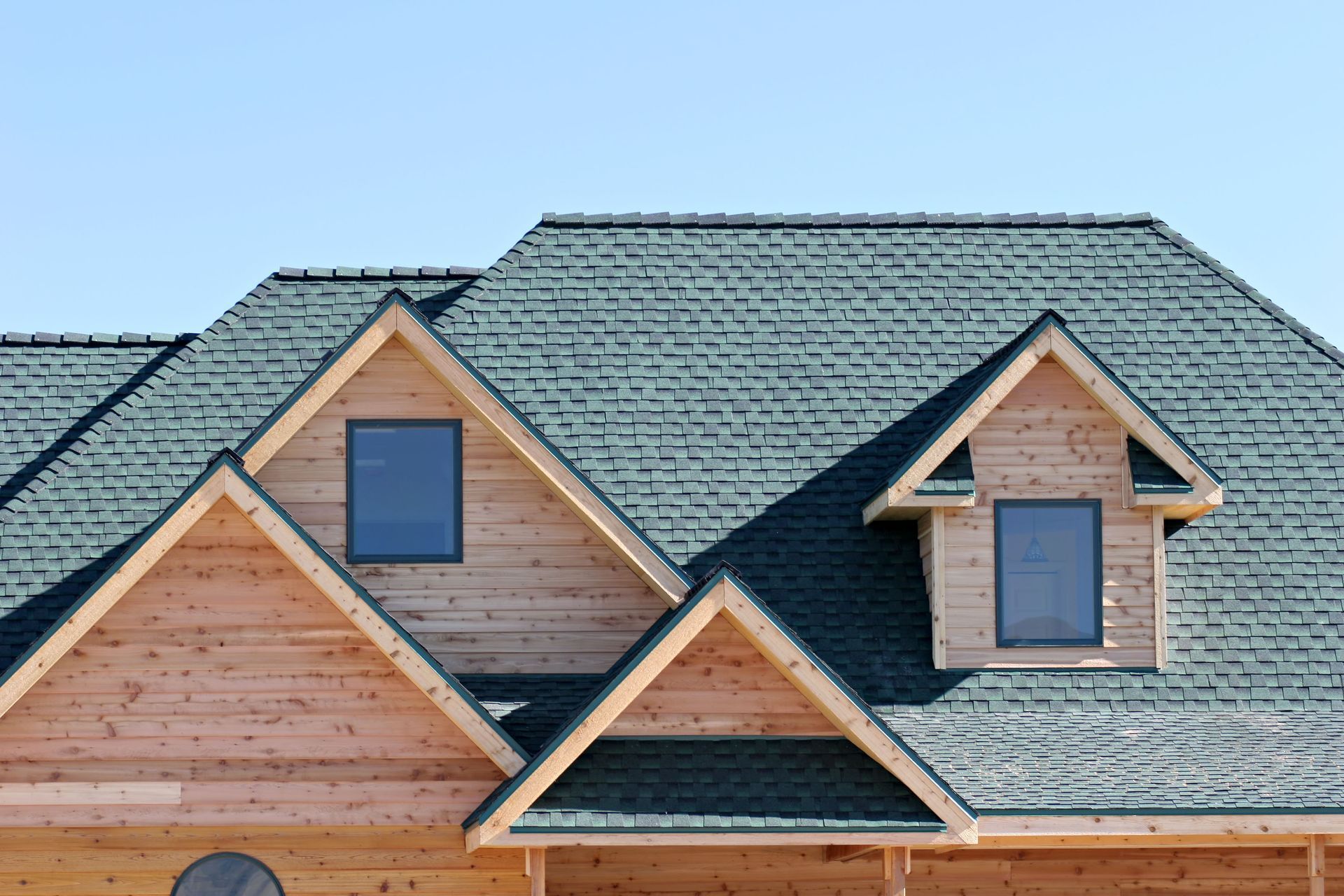
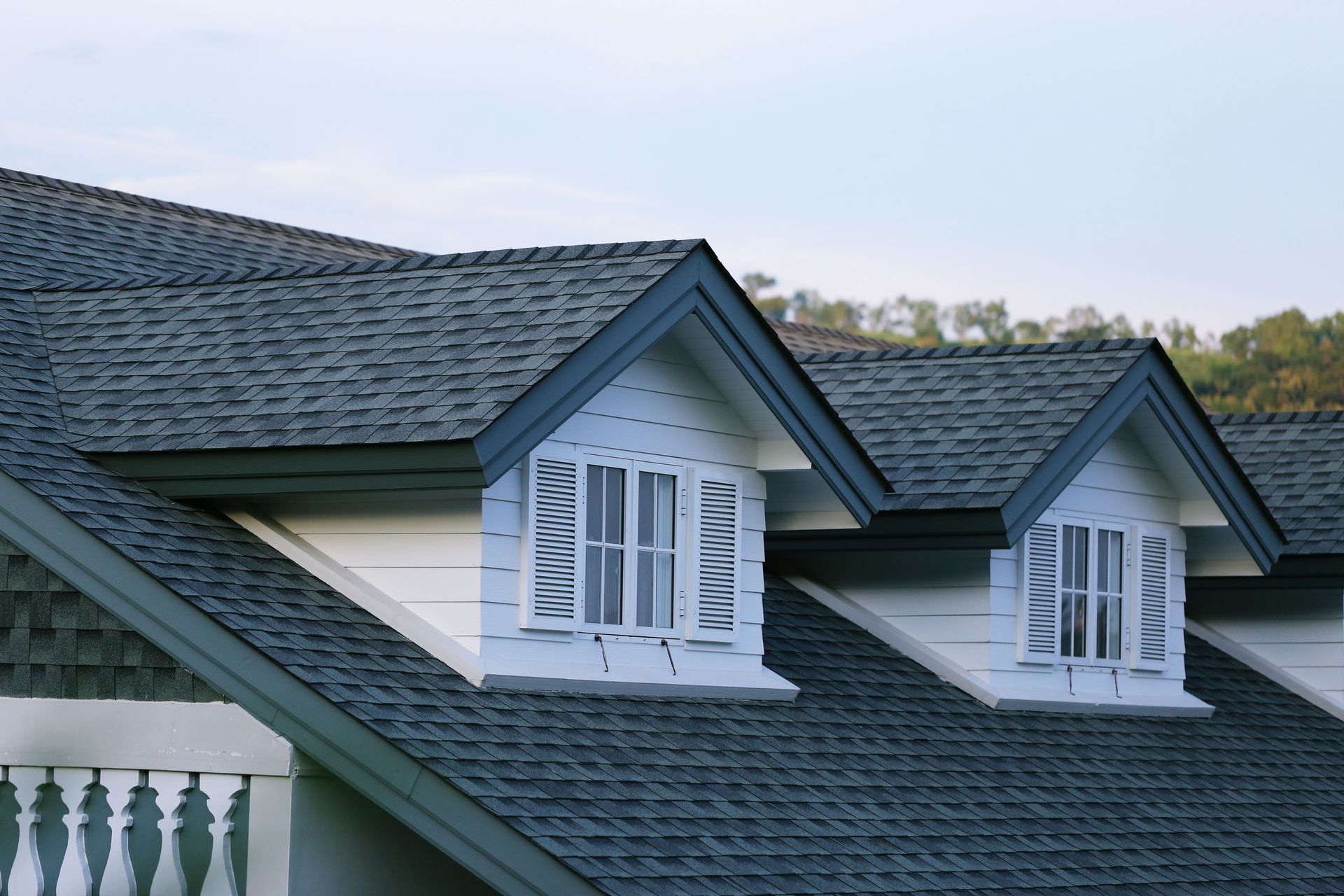
Asphalt shingles are available in numerous styles, textures, and colors, allowing homeowners to coordinate their roofs with different architectural designs. Traditional three-tab shingles offer a straightforward appearance, while architectural shingles provide additional dimension and texture. Some premium products are designed to resemble natural slate or wood shakes at a more accessible price.
Color selection also contributes to asphalt roofing's continued appeal. Homeowners can choose from neutral grays, earthy browns, deep blacks, and other shades that complement siding, brick, stone, and exterior trim. Reliable roofers can explain how different colors and shingle profiles may affect the overall appearance of a property.
Architectural compatibility is another advantage. Asphalt shingles can work well on many traditional and contemporary homes, provided the roofing system meets the structure's design requirements. Their versatility makes it easier for homeowners to maintain a cohesive exterior appearance while selecting materials suited to their preferences and budget.
Evaluating the Durability of Asphalt Shingles
A roof must withstand changing weather while protecting the structure beneath it. Asphalt shingles are manufactured to resist common environmental challenges, including rainfall, sunlight, and seasonal temperature changes. Product performance varies, however, so homeowners should consider local climate conditions when selecting roofing materials.
Wind resistance is particularly important in areas that experience strong storms. Many asphalt shingles feature adhesive strips and fastening requirements designed to help them remain secure during high winds. Reliable roofers can recommend products with suitable wind ratings and install them according to applicable specifications.
Hail and falling debris can also damage roofing materials. Some asphalt shingles offer enhanced impact resistance, making them worth considering in regions that experience frequent hailstorms. Although no roofing material is completely immune to severe weather, choosing appropriate products and maintaining the roof professionally can reduce certain risks.
Understanding the Fire Resistance of Asphalt Shingles
Fire resistance is another consideration when comparing roofing materials. Many asphalt shingles are available with Class A fire ratings, the highest classification under commonly used roofing fire-test standards. The rating indicates that the tested roofing assembly meets specified fire-resistance criteria, although it does not make a building fireproof.
Homeowners should verify the fire rating of the specific product and roofing assembly being considered. Reliable roofers can help explain product certifications and determine whether the selected materials satisfy local building requirements. This is particularly important for properties in areas where wildfire exposure or other fire hazards influence roofing decisions.
A properly installed roofing system also helps protect against moisture intrusion. Shingles, underlayment, flashing, and ventilation work together to keep water away from vulnerable roof components. When these elements are selected and installed correctly, they can help protect insulation, ceilings, framing, and other parts of the home.
Improving Energy Efficiency With Asphalt Shingles
Roofing materials can influence how much heat a home absorbs, particularly during warmer months. Some asphalt shingles feature reflective granules or specialized coatings designed to reduce solar heat absorption. These products may help lower cooling demands, depending on the home's insulation, ventilation, climate, and overall energy performance.
Homeowners interested in energy efficiency should compare product specifications rather than assuming all asphalt shingles perform equally. Reliable roofers can discuss available reflective options and explain how roofing color and material characteristics may affect indoor comfort. Proper attic ventilation and insulation should also be considered when evaluating a home's overall energy efficiency.
Environmental considerations are increasingly relevant to roofing decisions. Asphalt shingles can sometimes be recycled into materials used for road construction, depending on local recycling facilities and program requirements. Availability varies by location, so homeowners should ask about responsible disposal and recycling options when arranging a roof replacement.
Maintaining the Long-Term Performance of Asphalt Shingles
Although asphalt roofs are generally straightforward to maintain, regular professional inspections remain important. Over time, shingles can crack, curl, loosen, or lose protective granules because of weather exposure and normal aging. Identifying these conditions early can help property owners address developing issues before they cause more extensive damage.
Professional inspections are particularly valuable following severe storms. Wind and hail can create damage that is difficult to recognize from the ground, while compromised flashing or displaced shingles may allow water to enter the roofing system. Reliable roofers can assess these concerns and recommend repairs based on the roof's condition.
Maintenance requirements also depend on the age and quality of the materials. Older roofs may need more frequent attention, while newer systems can still develop problems because of storm damage, installation defects, or ventilation concerns. Keeping inspection records and addressing recommended repairs can help homeowners make informed decisions about ongoing maintenance and eventual replacement.
Ensuring Proper Installation and Repairs
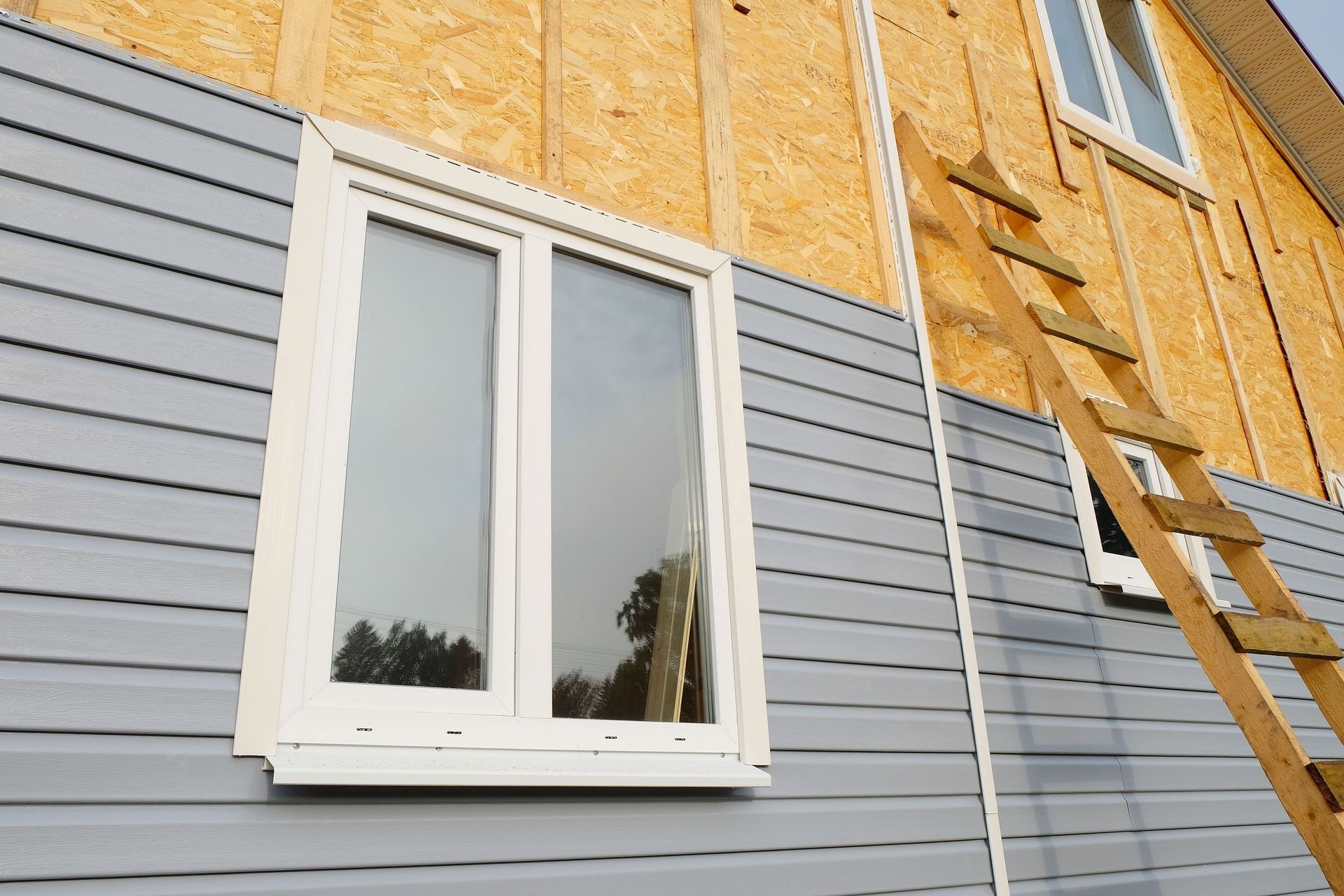
Even high-quality asphalt shingles can underperform when installed incorrectly. Improper fastening, inadequate underlayment, poorly fitted flashing, and insufficient ventilation can contribute to leaks or premature deterioration. Experienced contractors account for roof pitch, drainage, local weather patterns, and manufacturer requirements. These details influence which products are appropriate and how the roofing system should be assembled. Reliable roofers can evaluate these factors before beginning work, helping homeowners avoid material choices that may not suit their property's needs.
Repairs should also be handled according to the extent and cause of the damage. Isolated shingle problems may be manageable without replacing the entire roof, while widespread deterioration or recurring leaks may indicate that a larger project is necessary. A professional assessment helps homeowners understand their options and prioritize repairs based on safety, performance, and cost.
Selecting the Right Asphalt Shingles
Selecting asphalt shingles involves more than comparing prices and colors. Homeowners should consider expected lifespan, wind ratings, impact resistance, warranty terms, and compatibility with the existing roof structure. These factors help determine whether a particular product offers appropriate protection for the property.
Warranty details deserve careful attention because coverage can vary between manufacturers and product lines. Some warranties cover manufacturing defects under specified conditions, while others include separate provisions for installation or wind damage. Reliable roofers can explain the relevant terms and clarify which responsibilities belong to the manufacturer and which fall to the contractor.
It is also helpful to evaluate a contractor's experience, insurance, licensing where required, and written project estimates. A detailed estimate should identify the materials being installed, the work included, the anticipated schedule, and applicable warranty information. Clear communication helps homeowners compare proposals and understand what their roofing investment covers.
Understanding the Popularity of Asphalt Roofing
The best roofing results depend on choosing appropriate materials and ensuring that the complete roofing system is installed correctly. Regular professional inspections and timely repairs can also help preserve the roof's condition throughout its service life. Working with reliable roofers allows homeowners to make informed decisions about installation, maintenance, and replacement.
For homeowners considering a new asphalt roof or evaluating an aging roofing system, Diamond Ridge Construction can be contacted to discuss project requirements and available options. A professional assessment can help determine which materials best suit the property's design, budget, and weather exposure while supporting dependable protection for years to come.