October 16, 2026
Your home is your sanctuary, but without a strong exterior, it remains constantly vulnerable to the relentless forces of nature. The exterior cladding of your house serves as a critical barrier, specifically engineered to keep harmful water infiltration at bay. Understanding why siding is your home's first line of defense against moisture and mold is essential for protecting both your structural investment and your family's health.
Understanding the Moisture Threat
To truly comprehend the vital role of your home's exterior cladding, you must first understand the persistent nature of the moisture threat. Water is relentlessly opportunistic, constantly seeking out the microscopic vulnerabilities in your defensive shell through wind-driven rain, melting snow, and atmospheric humidity. Without this durable external shell, the structural framing and interior drywall would rapidly succumb to the destructive forces of seasonal weather patterns. The physics of hydrostatic pressure and capillary action constantly come into play, as moisture actively works to defy gravity and travel into any available crevice.
According to BuildingScience.com, over 90% of moisture damage behind exterior walls occurs after water penetrates joints or penetrations, a critical failure that leads to wall cavity mold but can be entirely prevented by proper siding installation. The danger frequently begins as a slow, invisible seep that quietly saturates the wood framing and fiberglass insulation hidden beneath your drywall. When homeowners ignore these subtle signs of moisture intrusion, they often find themselves eventually calling local siding companies for emergency structural repairs that could have been entirely avoided.
Recognizing the Mold Danger
Once moisture breaches the exterior envelope and becomes trapped within the unventilated spaces of your wall cavities, it creates the perfect breeding ground for toxic mold. Fungal spores are naturally present in the environment at all times, but they remain dormant until they encounter moderate temperatures, oxygen, an organic food source like wood framing, and sustained moisture. When water sneaks past compromised cladding, these microscopic spores rapidly colonize, spreading extensive root-like structures deep into the structural materials of your home. If left unchecked, these fast-growing fungal networks can spread silently behind your beautifully painted walls without being immediately discovered.
This biological process effectively consumes the cellulose in your home's framing, leading to advanced wood rot that severely compromises the load-bearing integrity of the entire building. Beyond the structural implications, wall cavity mold poses a severe threat to the respiratory health of anyone living inside the home. As the fungal colonies mature, they release mycotoxins and allergens into the indoor air, which can trigger chronic asthma, severe allergic rhinitis, and other debilitating respiratory distresses. Many reputable siding companies emphasize that stopping dangerous mold growth must always begin on the outside of the house rather than merely reacting to it on the inside.
Choosing the Right Materials
Because every climate presents unique weather challenges, selecting the appropriate cladding material is a fundamental step in fortifying your home against persistent dampness. Vinyl cladding remains incredibly popular across the country because it actively sheds water and is manufactured from synthetic plastics that are entirely impervious to biological decay and fungal growth. Alternatively, fiber cement offers extraordinary resilience and dimensional stability, created from a dense mixture of Portland cement, sand, water, and cellulose fibers that aggressively resists moisture absorption.
For those who prefer a more traditional aesthetic, engineered wood provides the classic warmth of timber but is heavily treated during the manufacturing process with specialized resins to prevent moisture penetration and rotting. Natural wood, while undeniably beautiful, requires a relentless commitment to regular scraping, sealing, and painting to maintain its natural waterproofing capabilities against the elements. Each of these distinct materials features different water-shedding properties, expansion coefficients, and installation requirements that directly impact their long-term effectiveness. Consulting with experienced siding companies can significantly help you navigate these complex material choices based on your specific regional climate, typical weather patterns, and architectural style.
Installing the Protective Barrier
Even the most expensive, highly rated exterior cladding will inevitably fail if it is not installed with meticulous attention to the underlying weatherproofing system. A home's exterior is a comprehensively designed drainage plane that requires overlapping defensive strategies to keep moisture separated from the sensitive wood framing. This system begins with the careful application of a weather-resistant barrier, often referred to as house wrap, which serves as a breathable membrane that blocks liquid water from entering while allowing internal vapor to safely escape.
Furthermore, specialized metal or vinyl flashing must be masterfully integrated around all critical wall penetrations, including windows, doors, utility pipes, and roof intersections, to intelligently redirect flowing water away from the most vulnerable joints. The individual panels of the cladding itself must be fastened with enough breathing room to accommodate natural thermal expansion and contraction, as panels nailed too tightly will buckle and create gaping pathways for heavy rain. This exact vulnerability is why hiring established siding companies is far more effective and secure than attempting a risky, uncertified do-it-yourself exterior renovation that could accidentally trap water against the sheathing.
Maintaining the Exterior Shield
After your moisture barrier has been properly selected and professionally installed, its ongoing effectiveness relies entirely on your commitment to consistent, proactive seasonal maintenance. Homeowners should conduct thorough visual inspections of their home's exterior regularly, specifically searching for warped panels, dislodged fasteners, cracking caulking around window frames, and signs of impact damage from severe weather events. Washing the exterior surfaces annually with a soft bristle brush and a mild detergent will remove accumulated dirt and environmental pollutants that can degrade protective finishes over time.
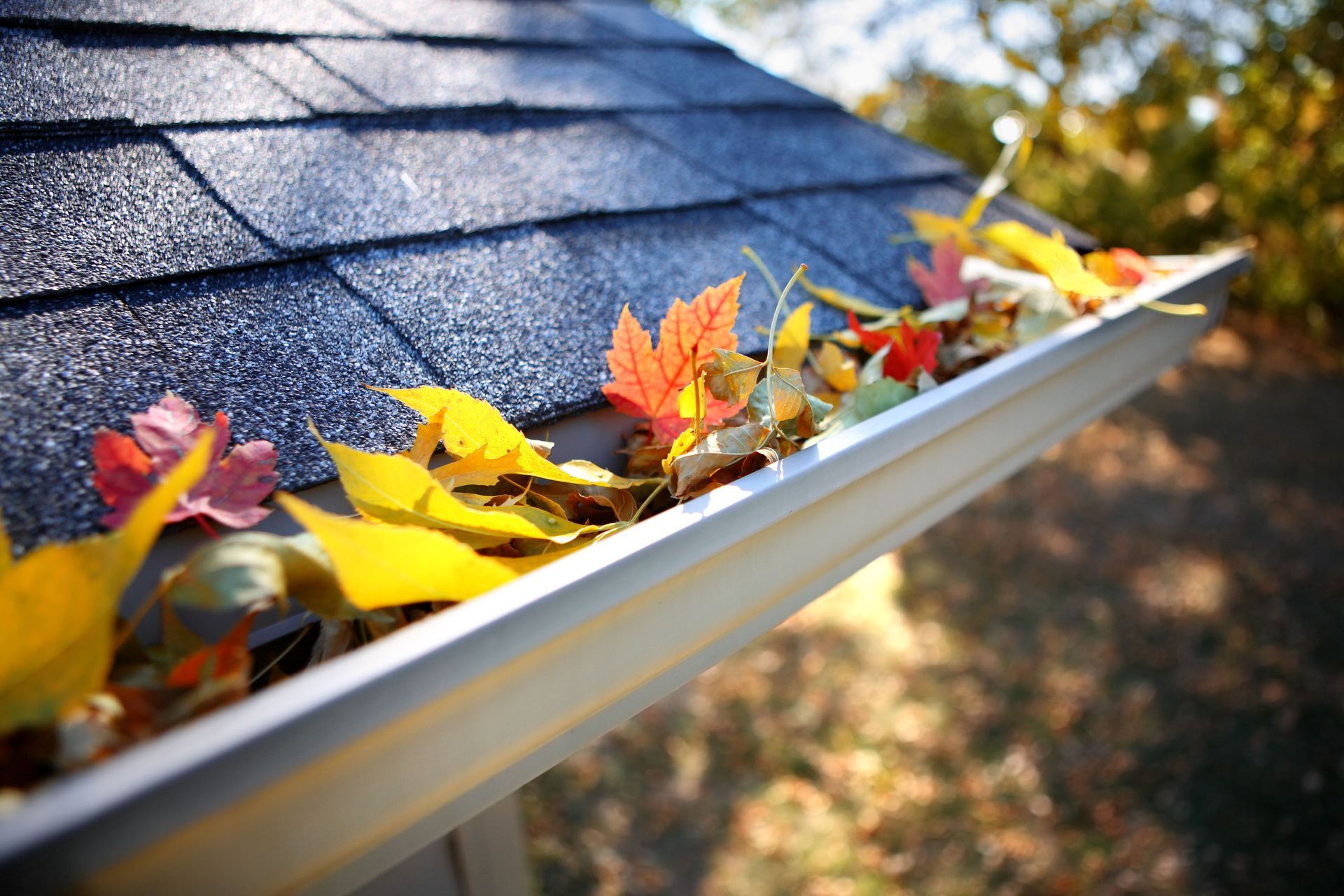
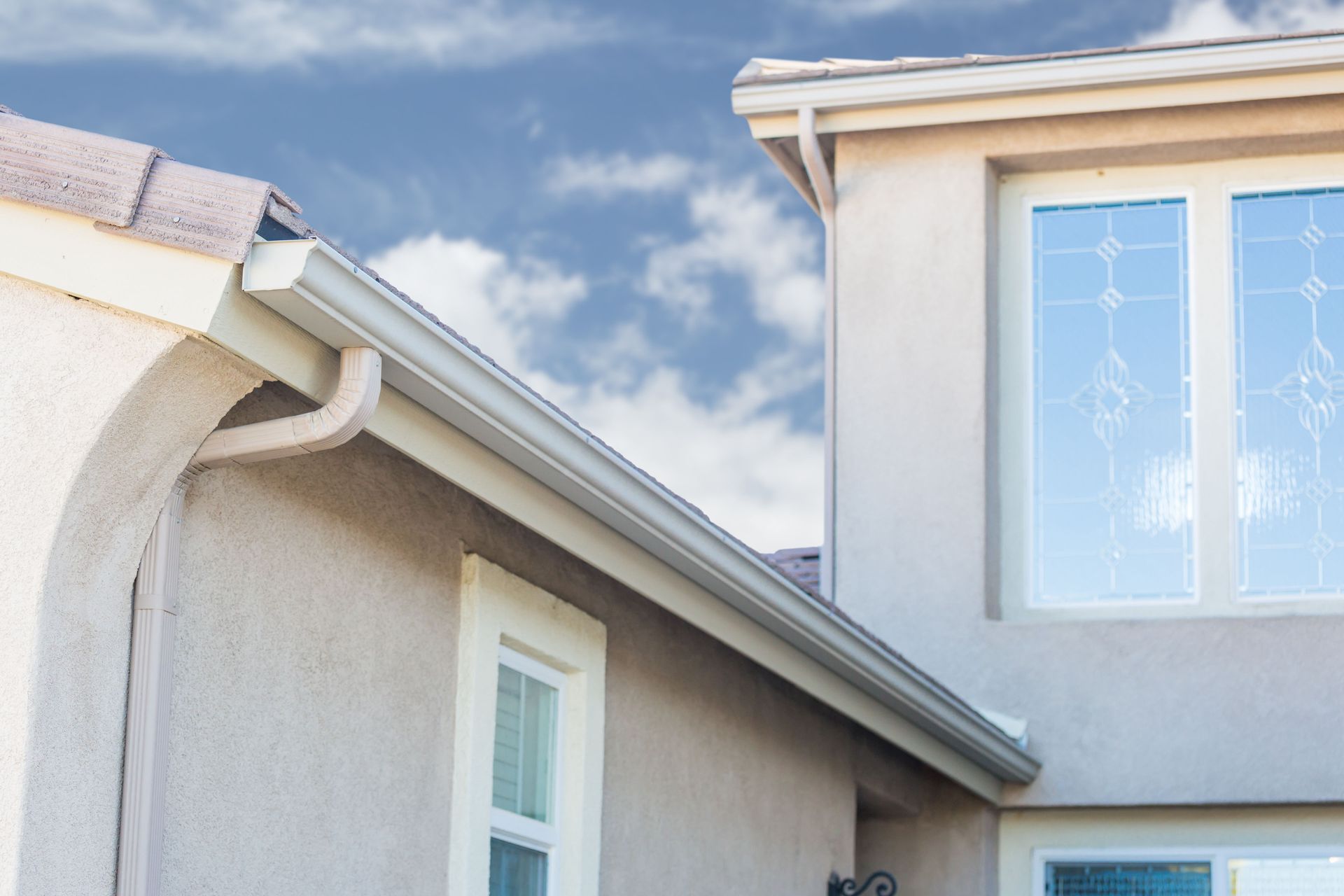
It is equally important to aggressively manage the landscaping immediately surrounding the foundation, ensuring that dense shrubs and tree branches are trimmed back to promote adequate air circulation and rapid drying after a rainstorm. Additionally, the roof's drainage system plays a shockingly large role in preserving the cladding; clogged gutters and blocked downspouts will cause sheets of water to overflow and constantly cascade down the house, overwhelming the water-shedding capacity. Routine, careful maintenance not only extends the functional life of your exterior cladding but also prevents the immediate need to hire siding companies for premature, full-scale replacements.
Securing the Home's Future
Treating your exterior cladding as an active, vital defense mechanism rather than a mere cosmetic upgrade pays massive dividends for the prolonged lifespan of your residential property. A robust, completely watertight exterior envelope permanently shields the vulnerable wooden skeleton of your house from the constant threat of biological decay, preserving the structural integrity that holds your roof up and keeps your family safe. Furthermore, keeping the wall cavities bone-dry ensures that your fiberglass insulation continues to perform at its maximum thermal efficiency, which drastically reduces your monthly heating and cooling costs while minimizing your household carbon footprint.
The peace of mind that comes during a torrential rainstorm, knowing that your moisture barrier is flawlessly executing its job, is truly invaluable for any homeowner. Investing the necessary time, research, and capital into building a formidable exterior shield is a sagacious act of preventative homeownership, halting hidden water damage before a single drop touches the interior drywall. Partnering with trustworthy siding companies guarantees that your property remains a safe, dry, and structurally sound environment for many decades to come.
Protecting your residential property from the devastating, unseen effects of water intrusion requires a highly proactive approach to managing your exterior cladding. By ensuring your protective barrier is correctly chosen, meticulously installed, and routinely maintained, you effectively lock out destructive moisture and the hazardous fungal growth it inevitably brings. Investing in this crucial first line of defense is undeniably the most reliable method for securing your property's long-term structural integrity and your family's overall well-being. For more insight on how working with siding companies keeps your home safe from water damage, please contact Diamond Ridge Construction.