
The Connection Between Gutters and Siding: What Homeowners Should Know
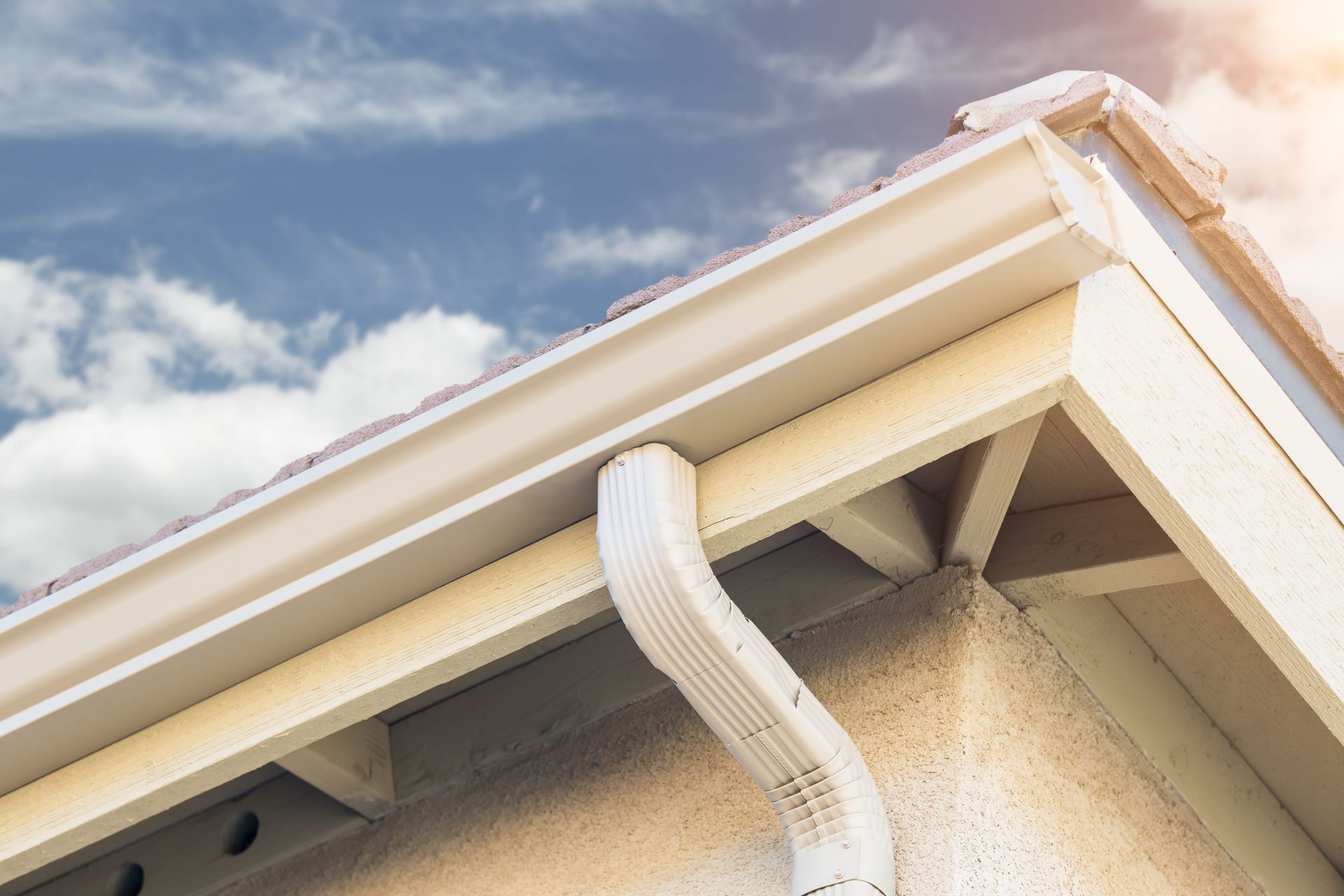
Gutters play a critical role in protecting a home by directing rainwater away from the structure. When functioning properly, they collect water from the roof and channel it safely away from the foundation and exterior walls. This process helps prevent water from running down siding surfaces, which can lead to staining, deterioration, or long-term damage.
Without an effective gutter system, water can overflow and cascade directly onto siding, increasing the risk of moisture infiltration. Over time, repeated exposure to water can weaken materials, especially in areas where seams or joints are present. Homeowners often overlook this connection, but proper water management is essential for maintaining the condition of exterior surfaces. Working with local siding companies can help ensure that both gutters and siding are properly aligned to protect the home. When these systems work together, they create a strong defense against moisture-related issues.
Recognizing How Gutter Issues Impact Siding Condition
When gutters become clogged, damaged, or misaligned, they can no longer effectively manage water flow. This leads to overflow, which allows water to run down the exterior walls and come into direct contact with siding. Over time, this can cause discoloration, warping, or even structural damage beneath the surface.
Siding materials are designed to withstand environmental exposure, but they are not intended to handle constant water flow. Prolonged exposure can accelerate wear and reduce the lifespan of the material. In severe cases, water may seep behind the siding, leading to hidden damage that is more difficult to repair. By consulting local siding companies, homeowners can identify early signs of gutter-related damage and take corrective action before the problem worsens. Addressing gutter issues promptly helps protect siding and maintain the overall integrity of the home.
Exploring Common Signs of Water Damage on Siding
Water damage on siding often begins with subtle changes that become more noticeable over time. Streaking, staining, peeling paint, or soft spots can all indicate that water is not being properly managed. These signs may appear near rooflines, around corners, or beneath gutter systems where overflow occurs.
In addition to visible damage, homeowners may notice mold or mildew growth on siding surfaces. This typically develops in areas where moisture remains trapped for extended periods. Left untreated, these issues can spread and compromise larger sections of the exterior. Professional evaluations from local siding companies can help determine the extent of the damage and whether repairs or replacement are necessary. Identifying these signs early is key to preventing more extensive and costly repairs.
Understanding How Siding Protects Underlying Structures
Siding serves as a protective barrier that shields the home’s structure from external elements. It helps prevent moisture from reaching the underlying framework, insulation, and interior spaces. When siding is in good condition, it works alongside gutters to create a comprehensive defense system.
However, when siding becomes compromised due to water exposure, its protective capabilities are reduced. Cracks, gaps, or weakened materials allow moisture to penetrate deeper into the structure, increasing the risk of rot, mold, and structural damage. Maintaining this protective barrier often involves working with local siding companies to ensure proper installation and upkeep. A well-maintained siding system plays a crucial role in preserving the long-term health of the home.
Evaluating Proper Installation and System Alignment
The effectiveness of gutters and siding depends heavily on proper installation. Gutters must be positioned correctly to capture and direct water efficiently, while siding must be installed with appropriate spacing and sealing to prevent moisture intrusion.
Misalignment between these systems can create gaps where water collects or flows incorrectly. For example, gutters that are pitched improperly may cause water to pool, while poorly installed siding may allow moisture to seep behind panels. Experienced local siding companies understand how to align these systems to work together effectively. Proper installation ensures that water is managed efficiently and that both components provide maximum protection.
Understanding Material Choices and Durability Factors
Different siding materials offer varying levels of durability and resistance to moisture. Vinyl, fiber cement, and wood each have unique characteristics that affect how they respond to water exposure. Choosing the right material depends on factors such as climate, maintenance preferences, and overall design goals.
Gutter materials also play a role in long-term performance. Durable systems are better equipped to handle heavy rainfall and resist corrosion over time. When both gutters and siding are made from high-quality materials, they provide stronger protection against environmental stress. Consulting local siding companies can help homeowners select materials that complement each other and perform well under local conditions. This ensures that the entire exterior system remains resilient over time.
Recognizing the Importance of Regular Maintenance
Routine maintenance is essential for keeping gutters and siding in good condition. Cleaning gutters to remove debris, inspecting for leaks, and checking for loose sections can prevent water from overflowing onto siding. Similarly, inspecting siding for cracks, gaps, or damage helps maintain its protective function.
Neglecting maintenance can lead to gradual deterioration that may not be immediately visible. Over time, small issues can develop into larger problems that require more extensive repairs. By working with local siding companies, homeowners can establish maintenance routines that address potential issues before they escalate. Regular upkeep helps extend the lifespan of both gutters and siding while preserving the home’s exterior appearance.
Understanding Measurement and Project Planning Basics
When planning siding projects, understanding how materials are measured is an important step. In the siding industry, measurements are often expressed in units that help estimate material needs and project scope.
According to This Old House, siding is commonly measured in units known as “squares,” with each square representing 100 square feet of coverage. In simpler terms, this measurement helps contractors calculate how much material is required for a project, ensuring accurate planning and efficient installation. This level of precision is one reason why homeowners often rely on local siding companies to handle project planning and execution. Accurate measurements help prevent material shortages or excess, leading to smoother project completion.
Preventing Long-Term Damage Through Proactive Solutions
Taking proactive steps to maintain gutters and siding can significantly reduce the risk of long-term damage. Installing gutter guards, ensuring proper drainage, and addressing minor repairs promptly all contribute to a more resilient exterior system.
Preventive measures not only protect siding but also help preserve the overall structure of the home. By managing water effectively, homeowners can avoid issues such as foundation damage, mold growth, and structural deterioration. Partnering with local siding companies allows homeowners to implement these solutions with confidence. Professional guidance ensures that preventive measures are tailored to the specific needs of the home.
Improving Overall Home Protection and Exterior Performance
When gutters and siding work together effectively, they create a comprehensive system that protects the home from environmental stress. This integration enhances durability, improves energy efficiency, and supports long-term structural stability. A well-maintained exterior not only prevents damage but also contributes to the overall appearance and value of the property. Clean, properly functioning systems create a polished look that enhances curb appeal. Homeowners who invest in maintaining both components often experience fewer repairs and greater peace of mind. This makes the connection between gutters and siding an essential aspect of home care.
Understanding the relationship between gutters and siding is key to protecting your home from water damage and maintaining long-term structural integrity. When these systems are properly installed, maintained, and aligned, they work together to direct water away from the home and preserve exterior materials.
Ignoring this connection can lead to gradual damage that becomes more difficult and costly to repair over time. By taking a proactive approach, homeowners can ensure that their exterior systems remain effective and durable. If you’re noticing signs of siding wear or gutter issues, Diamond Ridge Construction is ready to help. Our team provides professional solutions designed to improve durability, functionality, and long-term performance. Contact Diamond Ridge Construction today to work with local siding companies that understand how to protect your home through expert installation, maintenance, and exterior system coordination.

Share On: