October 9, 2026
Explore the impacts of severe weather in Iowa on residential properties, specifically focusing on the exterior, and learn immediate steps to mitigate damage. Iowa is known for its diverse weather patterns, which can shift suddenly and bring a variety of challenges to homeowners. Understanding these patterns and their consequences on home exteriors is crucial for maintaining the longevity of your property. Severe weather events, ranging from tornadoes to heavy snowfalls, can cause significant structural damage if not promptly addressed. From replacing torn siding to performing timely gutter repairs, this article provides a comprehensive overview of the types of weather conditions that affect Iowa homes, how to identify and address damage, and strategies for repair and prevention.
Types of Exterior Damage Caused By Severe Weather
Physical Damage From High Winds
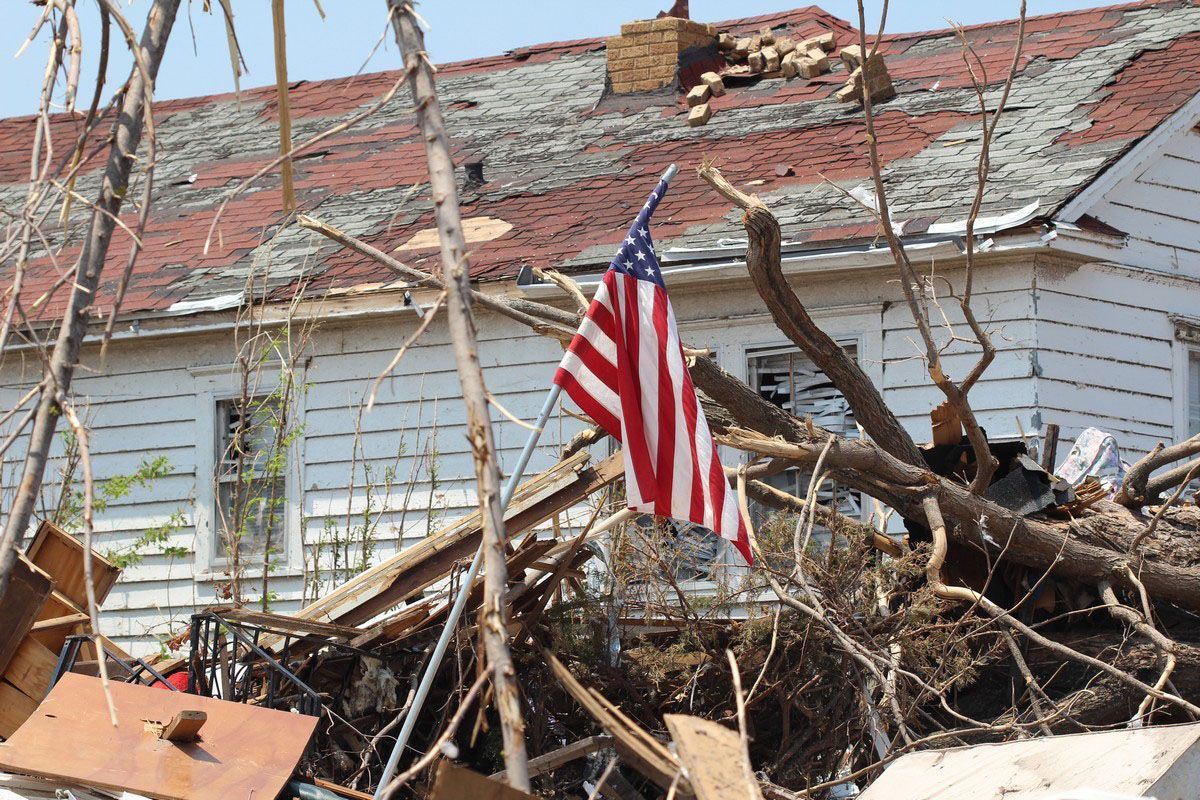
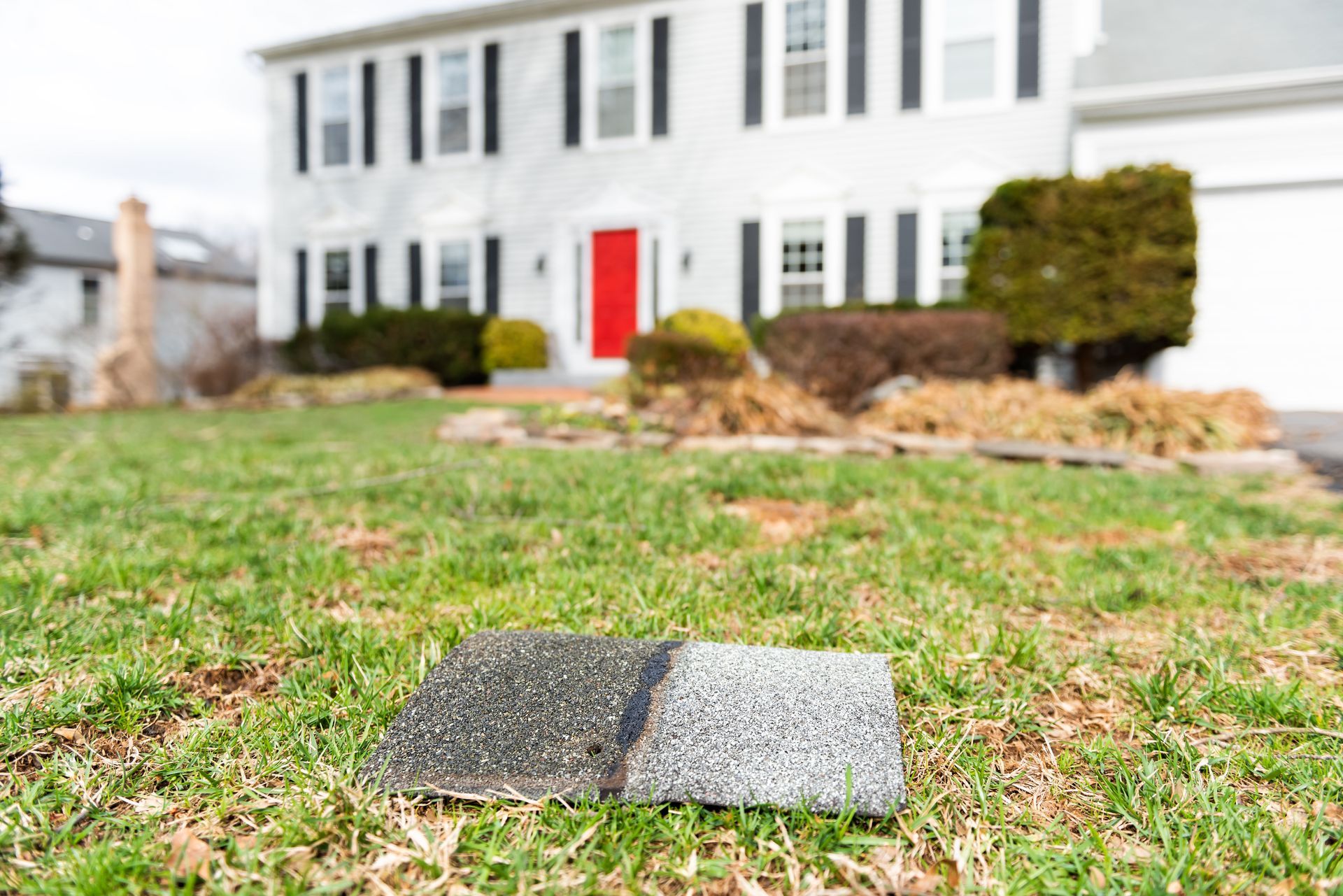
High winds can cause substantial physical damage to home exteriors, primarily impacting roofs, siding, and fences. Shingles may be lifted or removed entirely, compromising the roof's integrity and leading to leaks and water damage. Siding can be cracked or torn, exposing underlying materials to the elements and leading to further deterioration. High winds can also detach drainage components from the fascia board, requiring swift gutter repairs to restore proper water flow. Additionally, fences and other structures can become detached or collapsed, creating hazardous conditions and exposing homes to further wind impact. These damages demand immediate attention to prevent escalation, such as the application of temporary fixes until full repairs can be made.
Impact of Hail on Roofing and Siding
Hailstorms pose a significant threat to roofing and siding, often leading to costly repairs. The force of hail can dent and crack roofing materials, particularly asphalt shingles, leading to weakened protective layers. Siding can experience similar damage, with dents and holes disrupting aesthetics and functionality. Hail can also cause severe denting or cracking along drainage troughs, making professional gutter repairs essential to ensure rainwater continues to flow freely. Furthermore, hail can break windows and damage other vulnerable exterior aspects, exacerbating water ingress issues. Regular inspections and maintenance can identify potential vulnerabilities before they become critical, helping to mitigate the severe effects of future hail occurrences.
Water Damage From Heavy Rainfall and Flooding
Heavy rainfall and flooding are notorious for causing extensive water damage to home exteriors, potentially leading to structural compromise. Rain can infiltrate roof gaps and seep into walls, stressing foundational elements and fostering mold growth. Drainage issues exacerbate water accumulation, increasing the risk of basement flooding and structural erosion. Addressing these issues often involves improving drainage systems—such as scheduling prompt gutter repairs or installing gutter guards to prevent clogs and flooding—a step taken by 27% of homeowners, according to This Old House. Preventive measures, including landscaping adjustments, can redirect water flow, minimizing its damaging potential.
Damage From Snow and Ice Accumulation
Snow and ice accumulation is a typical winter challenge, leading to structural stress and moisture infiltration. Ice dams, which form when heat escapes from the attic and refreezes at the roof's edge, can result in substantial water damage as melting snow is trapped. The extra weight of heavy ice can pull channels away from the roofline, requiring seasonal gutter repairs once the thaws begin.
Identifying Weather Damage on Your Home's Exterior
Visual Signs of Roofing Damage
Identifying roof damage early requires attention to specific visual cues that suggest underlying issues. Missing, cracked, or curled shingles provide immediate evidence of damage that needs remediation. Water stains on attic ceilings can indicate leaks requiring urgent investigation and repair. Damage can also present itself through visible sagging or deformation, which compromises the roof's structural capacity. Regular visual inspections combined with professional assessments can catch these signs before they develop into larger and more costly problems, ensuring swift action to preserve the roof's integrity.
Inspecting Siding and Exterior Walls
Exterior walls and siding are susceptible to various forms of weather-induced damage, which require systematic inspections. Cracks, warping, and gaps signal that siding materials may no longer effectively protect the home's exterior, necessitating repairs or replacements. Discoloration or mold growth can hint at water intrusion, often requiring further investigation to determine the source. Effective identification of siding issues involves periodic inspections, particularly following severe weather events that can accelerate deterioration or cause new problems. Addressing these damages promptly helps maintain the exterior's aesthetic and functional performance.
Recognizing Foundation and Structural Issues
Structural issues within a home's foundation often evolve from weather-related stressors like flooding, ground movement, or invasive water damage. Cracks in the foundation or unexpected shifts in the home's alignment can signal significant underlying problems. Water pooling near the foundation is a common indicator of compromised drainage systems, making targeted gutter repairs necessary to prevent further foundation instability. Addressing these issues requires careful inspection and possibly the intervention of a structural engineer to mitigate risks. Early detection of foundation issues ensures that effective measures can be taken to rectify them before they worsen dramatically.
Checking Gutters and Drainage Systems
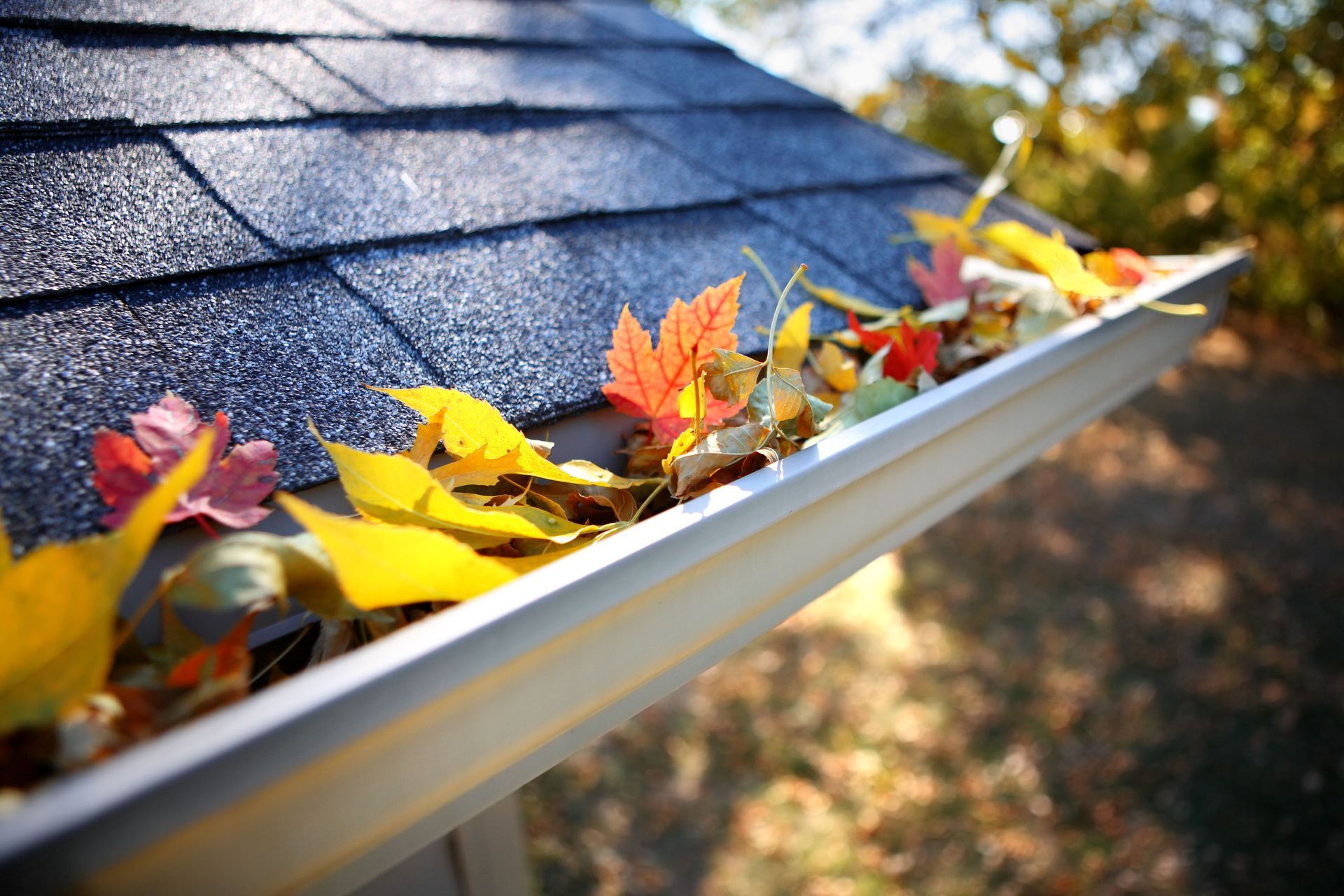
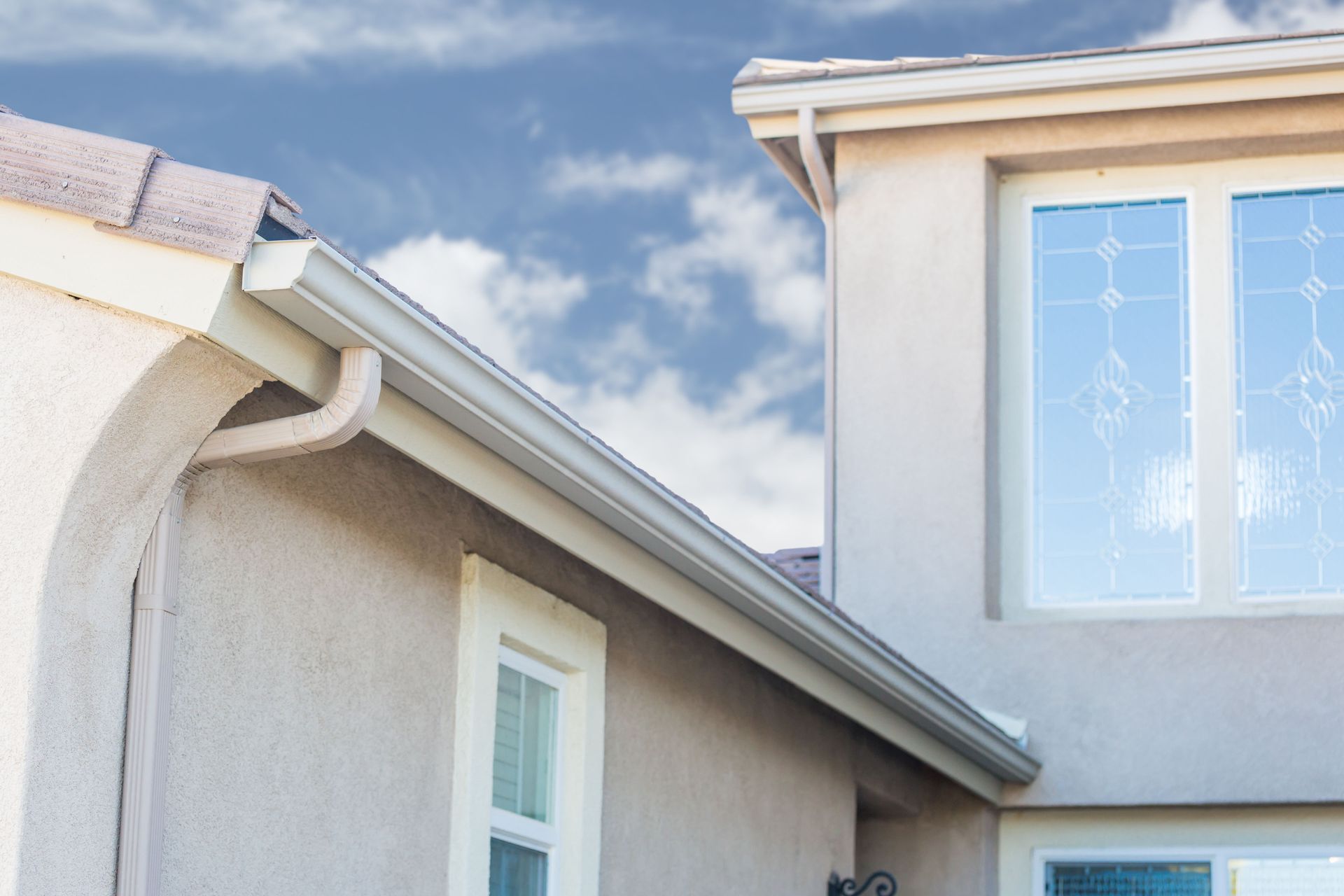
Gutters and drainage systems play critical roles in preventing water damage from impacting a home's exterior. Blocked or damaged gutters can lead to water overflow, causing leaks and possible foundation issues due to increased moisture levels around the base of the house. Regular cleaning of gutters, coupled with necessary gutter repairs to fix loose hangers or leaking seams, can prevent the accumulation of debris and ensure proper water flow. Inspecting these systems following severe weather events can reveal damages that require immediate attention to maintain their effectiveness. Ensuring gutters and drainage systems are well-maintained aids in protecting the home from extensive water damage.
Immediate Steps to Take After Severe Weather
Conducting a Safety Assessment
After severe weather, the first priority is to conduct a safety assessment to identify any hazards that could endanger occupants or further damage the home. Check for structural instability, exposed electrical wires, and fallen debris around the exterior. These checks verify that returning to regular activity is safe and guide necessary precautions to mitigate immediate threats. Engaging professional help for aspects such as electrical inspections or structural evaluations ensures thorough assessments and appropriate safety measures are in place. A comprehensive safety assessment is foundational for securing the property and planning repairs.
Documenting Damage for Insurance Purposes
Documenting damage is a crucial step for homeowners needing to file insurance claims to cover repair costs. Taking detailed photographs, videos, and notes about all damage areas demonstrates the impact of the weather event. Comprehensive documentation supports discussions with insurance adjusters and corresponds with policy stipulations for claim submissions. Homeowners should ensure all possible damage is recorded—from missing roof shingles to needed gutter repairs—to avoid future claim complications or coverage denials. Proper documentation also aids in personal records, informing potential future upgrades or maintenance needs.
Engaging With Professional Inspectors
Professional inspectors provide invaluable insights when assessing damage and planning recovery efforts post-weather events. These experts offer evaluations beyond visible surface damage, identifying structural integrity threats or potential hidden dangers. Inspectors' reports can confirm repair requirements or recommend preventive measures to avoid recurrence in future incidents. Collaborating with professionals also aligns with insurance claim processes, often providing necessary evidence to confirm the extent of damages. By promptly engaging professional inspectors, homeowners ensure a thorough understanding of the damage and subsequent planning needs for restoration.
Securing the Property to Prevent Further Damage
Securing a property post-severe weather involves measures that prevent further weather or vandalism-related damage. Immediate actions may include covering damaged roofs with tarps, boarding up broken windows, or reinforcing weakened structures temporarily. These interventions safeguard the home from additional weather impact while long-term repairs are organized. Temporary fixes and stabilization efforts play a vital role in preserving parts of structures until professionals can address them comprehensively. Securing the property is a protective strategy that combines short-term peace of mind with preparation for more permanent repair solutions.
At Diamond Ridge Iowa, we understand the stress of navigating sudden weather damage, which is why our team offers emergency tarping and repair services to secure your home when you need it most. Backed by over 100 years of combined experience, our licensed and insured contractors provide comprehensive storm damage restoration, specialized roofing repairs, gutter installations,
gutter repairs, siding replacements, and full home remodeling. We offer free, no-obligation quotes, flexible financing options through Acorn, and long-term warranties to give you complete peace of mind—contact Diamond Ridge Iowa today to schedule your post-storm assessment and protect your home's exterior.