November 17, 2026
Roof color plays an important role in a home's appearance and energy efficiency. While homeowners often focus on architectural style and curb appeal when selecting roofing materials, color can also influence how much heat a roof absorbs or reflects. Choosing the right shade can help regulate indoor temperatures, reduce energy consumption, and complement the home's exterior design. Understanding these factors makes it easier to select a roofing system that balances appearance, comfort, and long-term performance.
Understanding the Science Behind Roof Colors and Heat Absorption
Solar Reflectance and Heat Reduction
Solar reflectance describes how effectively a surface reflects sunlight instead of absorbing it. Light-colored roofing materials, including white, beige, and light gray, generally reflect more sunlight than darker alternatives. This can be especially beneficial during summer when prolonged sun exposure increases indoor temperatures and cooling demands.
Homeowners working with a residential roofing company can discuss reflective roofing options that balance appearance with energy performance. Selecting a material with suitable reflective properties may reduce cooling expenses and improve indoor comfort. This is particularly valuable for homes with limited shade or roofs that receive direct sunlight throughout much of the day.
Thermal Emittance and Material Performance
Thermal emittance measures how effectively a roofing material releases absorbed heat. Materials with high thermal emittance can shed heat efficiently, helping prevent excessive warmth from building up in the roof structure. Combining high solar reflectance with high thermal emittance can further improve roofing performance.
Material composition also matters. Reflective metal roofing and specially manufactured cool asphalt shingles can offer improved heat management compared with some traditional products. Homeowners should compare product specifications to understand which options offer the best combination of thermal performance and durability.
Understanding the Visual Impact of Roof Colors
Architectural Style and Color Coordination
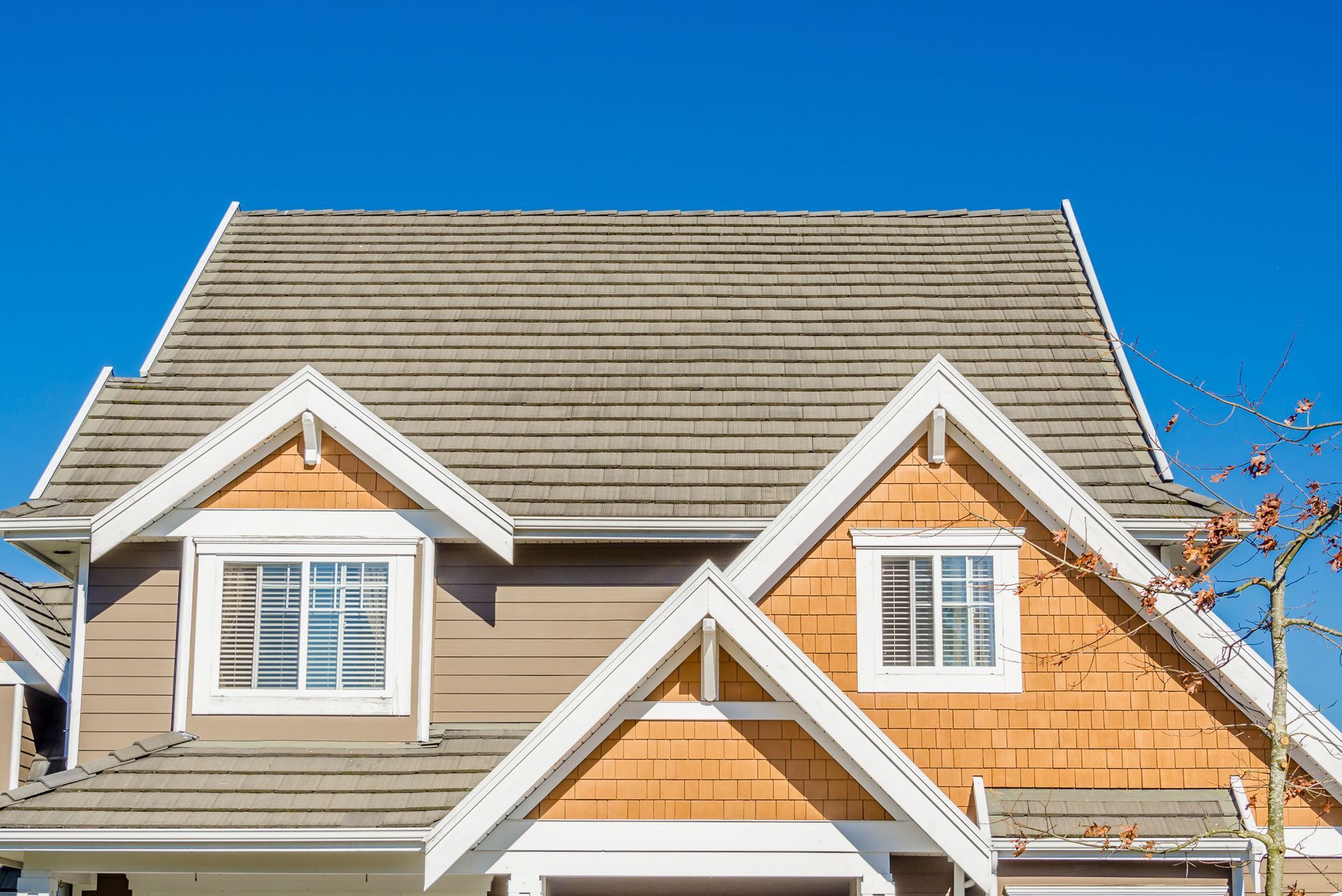
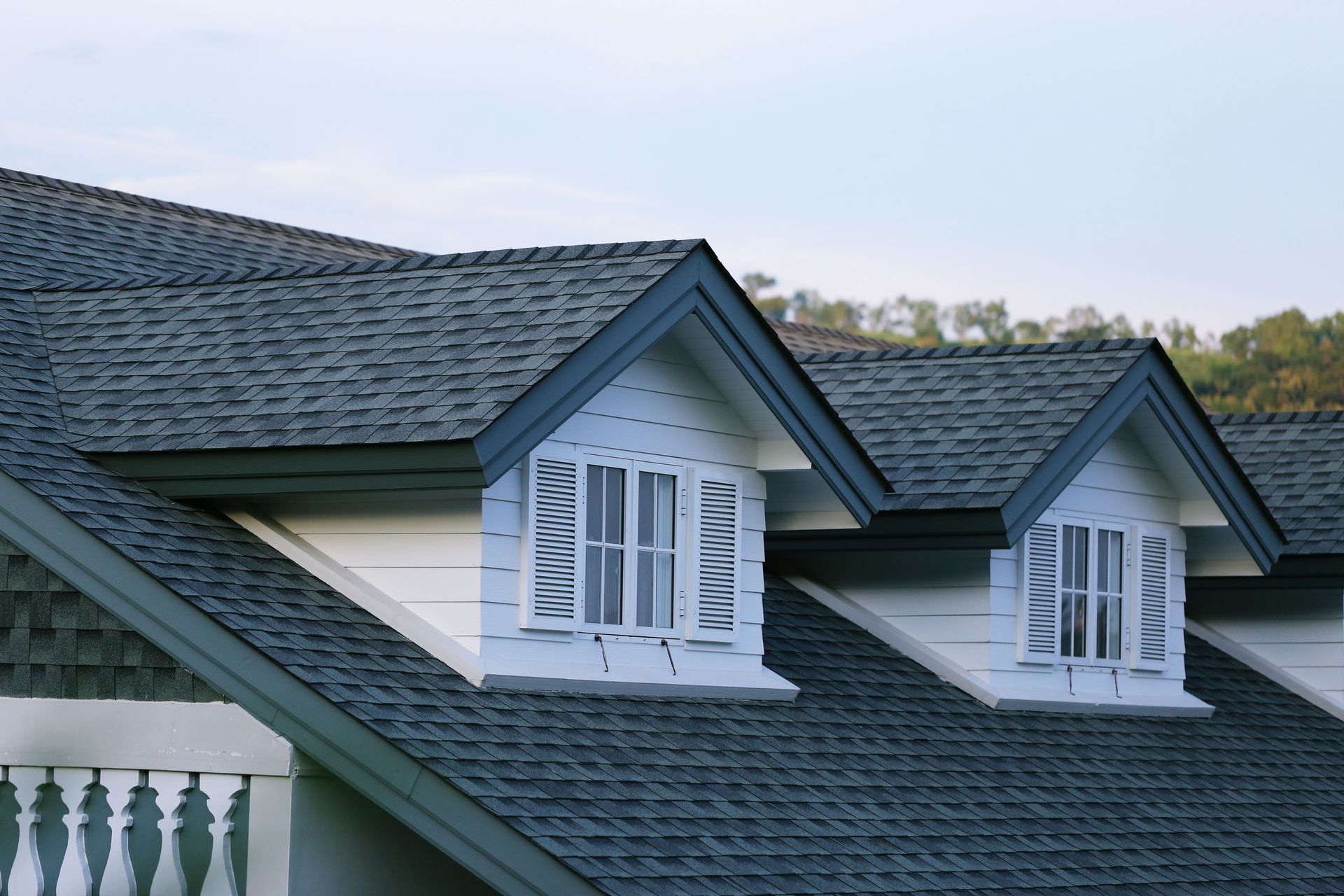
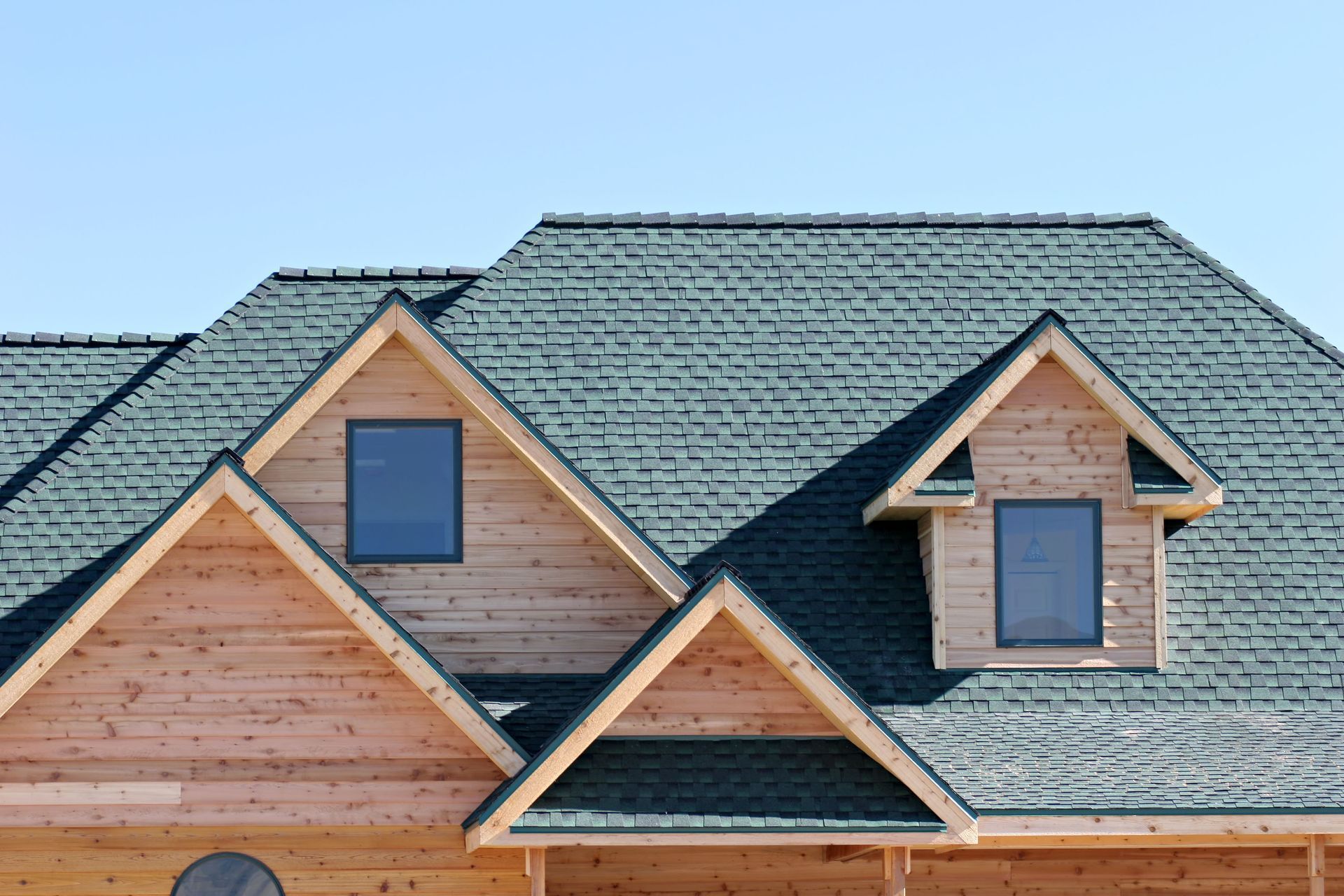
Roof color can dramatically influence a home's exterior appearance. Traditional properties often look appealing with brown, charcoal, or slate-colored roofs, while modern homes may benefit from darker metal finishes or neutral tones. Homeowners should consider siding, brickwork, stone accents, and trim when comparing colors.
A residential roofing company can help homeowners evaluate available shades and materials to find combinations that complement the property's architectural style. Looking at samples alongside existing exterior materials can also prevent colors from clashing once installation is complete.
Neighborhood Character and Personal Preferences
The surrounding neighborhood may also influence roofing decisions. Some communities have homeowner association guidelines that limit available colors and materials. Even without formal restrictions, choosing a shade that complements nearby properties can maintain a cohesive appearance.
Because a replacement roof is a long-term investment, homeowners should also consider whether their preferred color will remain appealing as design trends change. Neutral shades such as charcoal, gray, and weathered brown offer versatility across many exterior styles. More distinctive colors can create a unique appearance, but homeowners should consider how they will coordinate with future exterior updates.
Choosing Roof Colors for Different Climates
Roof Colors for Hot and Cold Climates
In regions with long, hot summers, lighter roofing colors can help reduce heat absorption. White, light gray, and tan generally reflect more sunlight than darker alternatives, potentially reducing the workload on air conditioning systems.
In colder climates, darker materials absorb more sunlight, which may provide some additional warmth during winter. However, insulation, ventilation, and air sealing generally play more significant roles in maintaining comfortable indoor temperatures. Homeowners should evaluate these factors with an experienced residential roofing company alongside roof color rather than relying on shade alone.
Seasonal and Regional Weather Conditions
Properties in areas with changing seasons, heavy rainfall, or coastal conditions have additional considerations. Humidity, salt exposure, snow, and prolonged moisture can affect roofing materials and finishes. Choosing durable products with appropriate protective coatings can help preserve appearance and performance.
A residential roofing company familiar with local weather patterns can help homeowners compare materials that suit their property's environmental conditions. Regional considerations are especially important when selecting finishes that must withstand repeated temperature changes and exposure to moisture.
Evaluating the Energy and Financial Benefits of Roof Color
Reducing Energy Consumption
Energy-efficient roofing materials can help reduce the electricity needed to cool a home. Reflective surfaces limit heat absorption, potentially decreasing the workload on air conditioning systems during warmer months. These improvements may contribute to lower utility bills, especially in homes with significant sun exposure.
Actual savings depend on factors such as roof design, insulation, ventilation, climate, and household energy usage. Homeowners should consider the complete roofing system rather than assuming that changing colors alone will produce substantial savings. Proper attic ventilation and insulation help maximize the benefits of an energy-conscious roofing upgrade.
Comparing Initial Costs and Long-Term Value
Some reflective roofing products cost more initially because of specialized coatings or material composition. However, potential energy savings may help offset the additional expense over time. According to Revive, a new roof can add $12,000 to $15,000 to a home's resale value, with asphalt roofs recouping about 61% of their cost in added value. This makes roofing improvements worth considering when evaluating both immediate expenses and potential returns when selling a property.
Working with a residential roofing company provides an opportunity to review these differences and identify options that fit the property's needs and the homeowner's budget. Considering long-term maintenance expenses alongside the initial investment can provide a clearer picture of overall value.
Considering the Environmental Effects of Roof Colors
Reducing Urban Heat
Dark roofing surfaces can contribute to higher temperatures in densely developed areas. Buildings, roads, and other surfaces absorb sunlight, increasing surrounding temperatures through a phenomenon known as the urban heat island effect.
Reflective roofing materials help limit heat absorption and may contribute to cooler surrounding environments. Although one residential roof has a relatively small impact, widespread use of reflective materials can support community energy-efficiency efforts. Lower cooling demands may also reduce the amount of electricity required by households.
Supporting Sustainable Roofing Choices
Roofing sustainability involves more than selecting a particular color. Material durability, manufacturing processes, recyclability, and expected service life all influence environmental impact. Choosing a long-lasting roofing system can reduce replacement frequency and limit construction waste.
Some metal roofing products contain recycled materials and can be recycled again at the end of their useful life. Homeowners can compare these features when evaluating environmentally responsible options with a residential roofing company. Durable finishes and routine maintenance can also help extend the useful life of roofing materials.
Making an Informed Roof Color Selection
Balancing Appearance and Efficiency
The ideal roof color meets both aesthetic and functional priorities. A lighter shade may provide greater reflectivity, while a darker color may better complement certain architectural styles. Modern roofing products offer various finishes and performance characteristics, giving homeowners flexibility when making their selections.
Homeowners should also consider how their roof will look alongside siding, gutters, trim, and landscaping. Coordinating these elements creates a more unified exterior while supporting the property's long-term appeal. Comparing samples in different lighting conditions can help homeowners feel more confident about their final choice.
Planning Your Roofing Project
Before beginning a replacement or installation project, compare available materials, warranties, maintenance expectations, and installation costs. A residential roofing company can assess the existing roof, explain product differences, and help identify options that suit local conditions. Professional guidance can also help homeowners understand whether their current roof needs replacement or whether a less extensive improvement may be appropriate.
Roof color influences much more than curb appeal. It can affect heat absorption, indoor comfort, energy consumption, and exterior design. By evaluating climate conditions, material properties, and long-term costs, homeowners can make informed decisions about their roofing projects. Diamond Ridge Construction can help homeowners explore roofing options that complement their properties and meet their project goals.