June 12, 2026
Homeowners rely on siding to do far more than improve curb appeal. Quality siding protects a property from potential moisture intrusion, wind exposure, seasonal temperature swings, and long-term structural wear. When the time comes to install, repair, or replace siding, choosing experienced residential siding contractors can make a significant difference in both the appearance and durability of the finished project. A professional contractor should provide clear communication, dependable workmanship, and materials suited to local weather conditions.
Many homeowners begin the process without fully understanding what a siding project involves. From inspections and estimates to installation timelines and cleanup procedures, every phase should be handled with professionalism and attention to detail. Working with qualified residential siding contractors helps homeowners feel more confident throughout the process while reducing the risk of installation problems, hidden costs, or premature siding failure.
Understanding the Initial Consultation Process
Evaluating the Home's Exterior Condition
The first step homeowners should expect from residential siding contractors is a detailed inspection of the property's exterior. This evaluation helps determine whether the siding requires repairs, partial replacement, or a complete exterior update. Contractors typically examine existing siding materials, check for moisture damage, inspect trim and soffits, and identify signs of structural deterioration beneath the surface.
During this process, contractors may also assess how local weather has affected the exterior over time. Homes exposed to heavy rain, snow, strong winds, or intense sunlight often develop fading, cracking, loose panels, or water infiltration. A thorough inspection allows contractors to recommend solutions tailored to the specific condition of the home rather than offering a one-size-fits-all approach.
Homeowners should also expect questions about long-term goals for the property. Some clients prioritize improved durability, while others focus more heavily on curb appeal or resale value. Contractors who take the time to understand these priorities are often better equipped to recommend siding options that align with the homeowner's budget and expectations.
Discussing Material Options and Design Preferences
A professional consultation should include a detailed conversation about siding materials and aesthetic preferences. Contractors commonly provide information about vinyl, fiber cement, and engineered wood siding. Each option offers different advantages related to maintenance requirements, lifespan, insulation value, and appearance.
Experienced contractors should explain the strengths and limitations of each material honestly. Vinyl siding, for example, is often valued for affordability and low maintenance, while fiber cement products are recognized for durability and resistance to harsh weather conditions. Engineered wood siding offers a classic appearance but may require more consistent upkeep over time.
Color selection and design coordination are also important parts of the planning stage. Homeowners should expect guidance on matching siding with roofing, trim, gutters, shutters, and architectural features. Skilled contractors understand how siding contributes to the overall visual balance of a property and can help homeowners choose combinations that enhance the exterior without overwhelming it.
The consultation phase should never feel rushed. Reputable residential siding contractors typically provide time for homeowners to ask questions, review product samples, and compare different installation approaches before making a final decision.
Explaining Measurements, Estimates, and Project Scope
Accurate measurements are essential for developing a reliable estimate. Contractors calculate the amount of siding required according to the dimensions of the home's exterior walls, windows, doors, and architectural features. According to This Old House, siding professionals commonly refer to 100 square feet of material as a "square" when measuring project requirements. Understanding this terminology can help homeowners better follow discussions regarding material quantities and pricing.
A professional estimate should clearly outline labor costs, material expenses, removal procedures, disposal fees, and projected timelines. Homeowners should expect transparency regarding what is included in the proposal and whether additional repairs could affect the final price. Contractors who provide vague or incomplete estimates may create confusion later in the project.
Reliable residential siding contractors also explain how scheduling works. Weather conditions, material availability, and project size can all influence completion timelines. Rather than promising unrealistic turnaround times, experienced contractors typically provide practical scheduling expectations and maintain communication if delays occur.
Recognizing Professional Installation Standards
Preparing the Property Before Installation
Before new siding is installed, homeowners should expect contractors to prepare the property carefully. Proper preparation protects landscaping, walkways, outdoor furniture, and surrounding structures from damage during the project. Contractors may cover shrubs, remove obstacles near work areas, and establish designated spaces for tools and debris disposal.
Existing siding often needs to be removed before installation begins. During this stage, contractors may uncover hidden issues such as water damage, mold growth, deteriorated sheathing, or pest-related problems. Responsible contractors address these concerns before installing new siding because covering structural damage can lead to larger issues in the future.
Preparation also involves checking insulation, moisture barriers, flashing, and ventilation systems. These components play an important role in protecting the home from long-term moisture intrusion and energy loss. Skilled contractors understand that siding performance depends not only on the exterior panels themselves but also on the supporting systems underneath.
Homeowners should notice a strong emphasis on job site organization throughout the preparation phase. Contractors who maintain clean, organized workspaces often demonstrate greater professionalism and attention to detail during installation.
Maintaining Quality Workmanship Throughout Installation
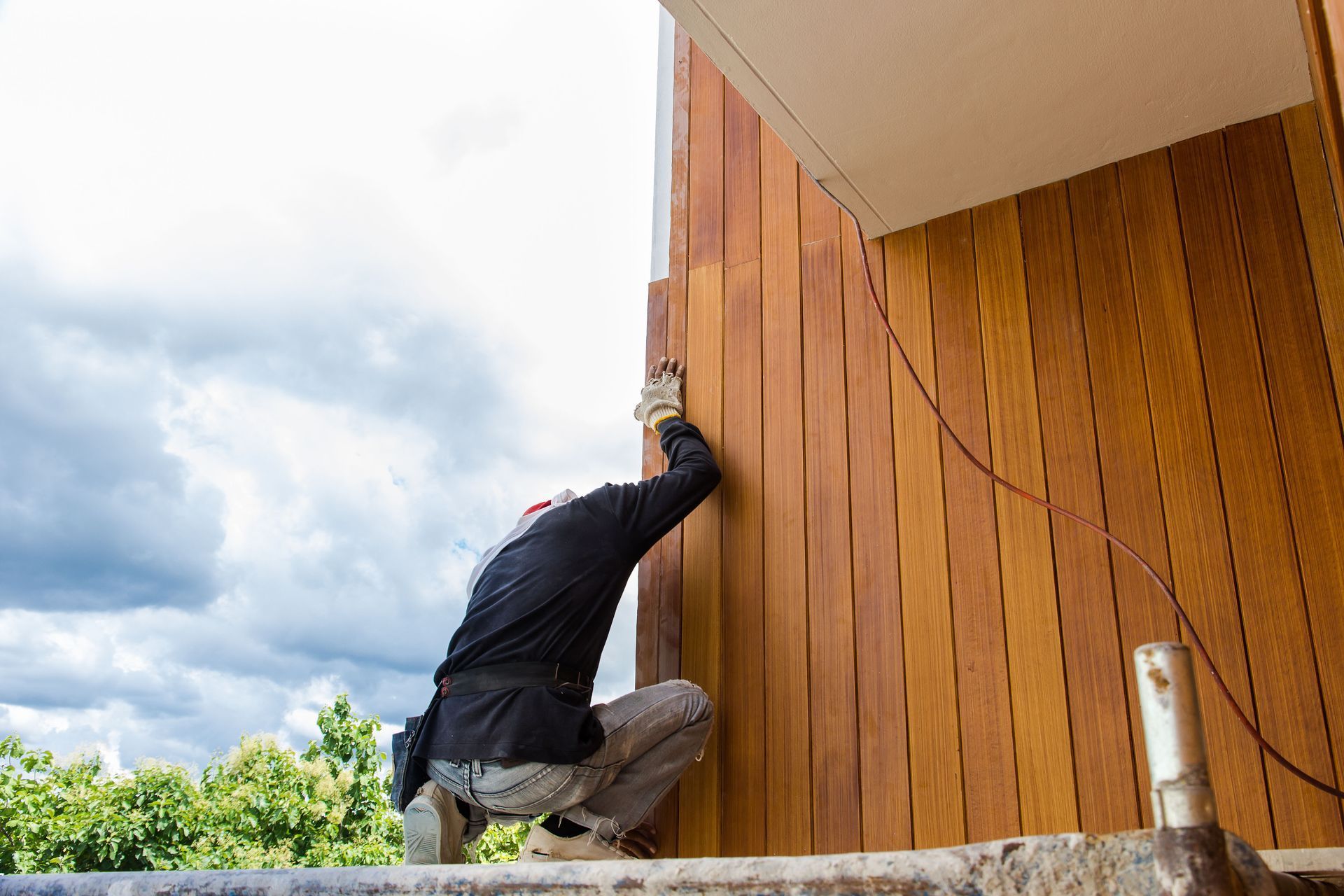
Once installation begins, homeowners should expect consistent workmanship and careful attention to alignment, spacing, and fastening methods. Proper siding installation involves much more than attaching panels to exterior walls. Contractors must account for expansion and contraction, water drainage, ventilation, and structural movement.
Panels should appear level, evenly spaced, and securely attached without visible warping or buckling. Trim pieces around windows, doors, and corners should fit cleanly and create a polished appearance. Experienced installers understand how small alignment errors can affect both aesthetics and long-term durability.
Communication remains important during this phase of the project. Reliable residential siding contractors keep homeowners informed about progress, scheduling adjustments, and any unexpected issues discovered during installation. Clear communication helps reduce misunderstandings and allows homeowners to remain involved without disrupting the workflow.
Addressing Repairs and Weather-Related Damage
Not every siding project involves a complete replacement. Many homeowners hire contractors to repair isolated sections damaged by storms, moisture, impact, or aging materials. In these situations, contractors should carefully evaluate whether repairs can restore the siding effectively or whether replacement may provide a better long-term solution.
Storm-related damage often includes cracked panels, loose siding, moisture infiltration, or dents caused by hail and debris. Contractors experienced in exterior restoration understand how weather conditions affect different siding materials over time. They can also identify hidden damage that may not be immediately visible from the ground.
Color matching is another important part of repair work. Older siding may fade after years of sun exposure, making it difficult to match new materials precisely. Skilled contractors typically discuss these challenges honestly and recommend practical options that maintain the home's appearance as closely as possible.
Homeowners should also expect contractors to explain whether underlying structural repairs are necessary before cosmetic repairs can begin. Simply replacing damaged siding without addressing water intrusion or deteriorated framing can result in recurring issues later.
Choosing the right contractor can influence not only the appearance of a home but also its long-term structural protection and value. Homeowners should expect professionalism, transparency, skilled workmanship, and dependable communication throughout every phase of the project. From the initial consultation to final cleanup, experienced residential siding contractors provide guidance and support that help homeowners feel informed and confident about their investment.
A well-executed siding project improves curb appeal while helping protect the home from years of environmental exposure. Contractors who prioritize quality materials, proper installation practices, and honest customer service often deliver results that homeowners can rely on for many years to come. For residential siding contractors you can rely on to get the job done right, reach out to Diamond Ridge Construction!