February 5, 2026
Choosing the right residential roofer after a storm is essential for restoring your home’s safety and value. Severe weather can cause extensive roof damage, and hiring a reliable professional helps protect your investment. This guide explains what to look for in a residential roofer, how to evaluate storm damage, and how to make sure repairs are completed efficiently and correctly.
Understanding the Impact of Storm Damage on Roofing
Identifying Common Signs of Storm Damage
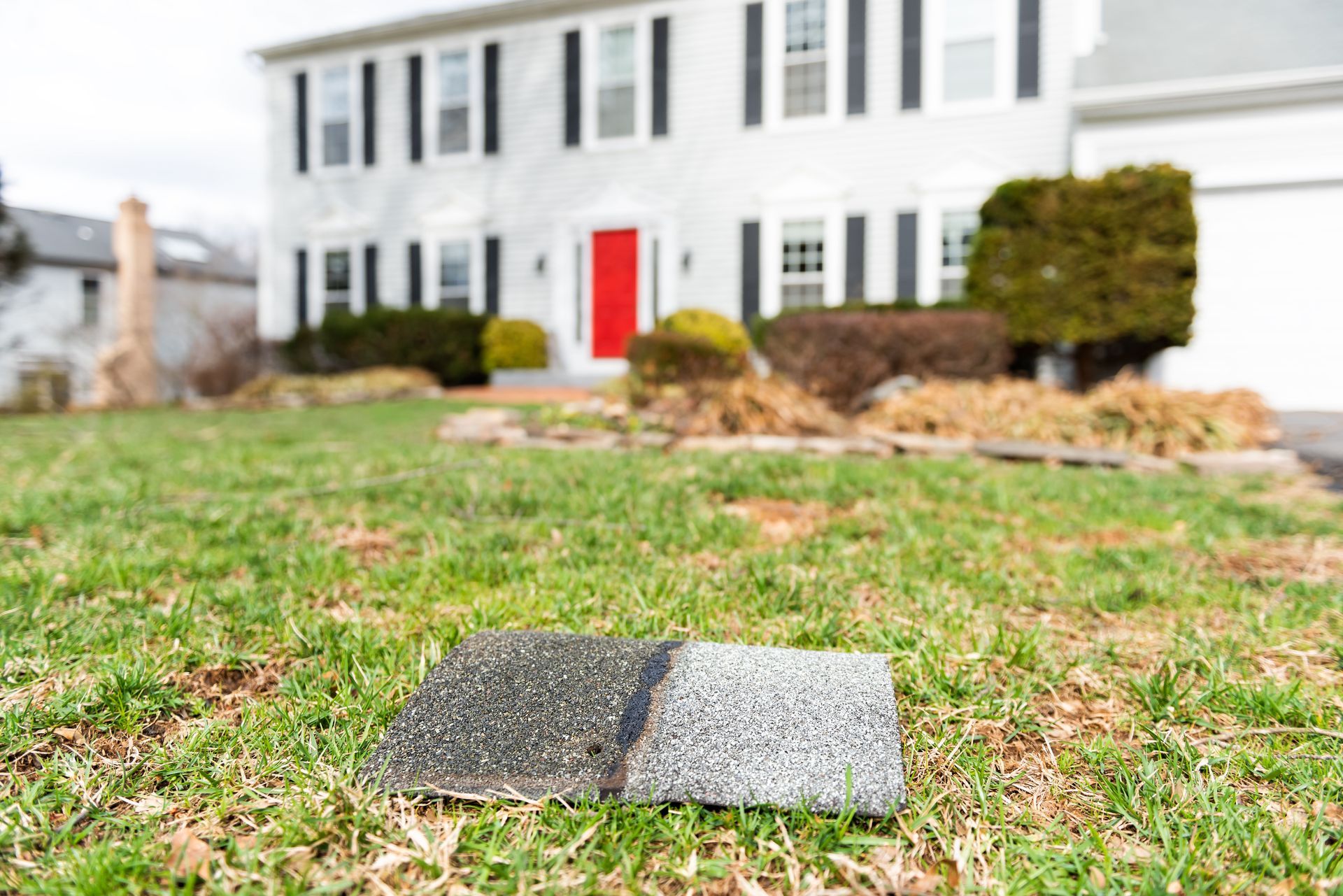
Storm damage may appear as missing shingles, dents, leaks, or subtle structural changes. After a storm, inspect for signs like water stains on ceilings or granule loss on shingles. Even minor issues can escalate into serious structural damage if ignored. Timely identification helps prevent costly repairs, mold growth, and decreased insulation efficiency. A professional residential roofer can assess these problems quickly and recommend appropriate solutions. Regular inspections are recommended after severe weather to document damage for insurance purposes and maintain your roof’s long-term performance.
Assessing the Severity: When to Call a Roofer
Contact a residential roofer as soon as you notice or suspect damage. Waiting until leaks appear can worsen hidden structural issues. Certified roofers can detect internal or surface damage that homeowners may miss and provide documentation that supports insurance claims. Scheduling post-storm inspections ensures minor problems don’t develop into large repairs. Consider factors like the roof’s age, material, and prior maintenance history—an experienced residential roofer will evaluate all these to give accurate repair recommendations and restore your home efficiently.
The Long-Term Effects of Delayed Repairs
Delaying roof repairs can lead to water intrusion, weakened framing, and interior damage such as stained ceilings or mold. Untreated leaks also threaten electrical systems and increase repair costs. A damaged roof can lower property value and deter buyers who fear immediate maintenance expenses. Hiring a residential roofer promptly helps restore integrity, improve energy efficiency, and enhance curb appeal. According to Revive, a new roof can add $12,000 to $15,000 to a home’s resale value, with asphalt roofs recouping about 61% of their cost in added value. Modern repair methods and materials can also improve insulation, reducing heating and cooling costs over time and helping you maintain a comfortable home year-round.
Insurance Implications for Storm Damage
Most homeowner insurance policies cover roof damage from sudden storms, but coverage depends on policy specifics and prompt filing. Claims are more likely to be approved with timely documentation from a qualified residential roofer. Thorough reports with photographs and cost estimates help substantiate claims. Many insurers also reward homeowners who upgrade to energy-efficient or impact-resistant roofs with lower premiums. Working with a residential roofer familiar with insurance processes ensures you meet documentation requirements and maximize available benefits for your storm restoration project.
Environmental Considerations in Post-Storm Repairs
Storm recovery can also be an opportunity to improve energy efficiency. Many homeowners choose recycled shingles, solar-reflective materials, or energy-generating systems like solar panels during repairs. A residential roofer experienced in sustainable practices can recommend materials that minimize waste and resist future weather damage. These eco-friendly choices lower utility bills, reduce environmental impact, and strengthen your home’s resilience. Adopting sustainable roofing practices benefits both your home and the environment while ensuring long-term reliability and performance.
Comparing Roofing Estimates and Contracts
Understanding the Scope of Work
Before signing a contract, carefully review the scope of work provided by the residential roofer. It should detail materials, labor, disposal methods, and timelines. Clarity here prevents hidden fees or misunderstandings later. A transparent estimate allows homeowners to compare contractors accurately and identify potential savings opportunities. A detailed scope forms the foundation for accountability, ensuring expectations are met and documented.
Evaluating Cost Estimates
Collect at least three written estimates to compare pricing and services. While the lowest bid may seem appealing, it’s crucial to balance cost with reputation and quality. A trusted residential roofer will provide realistic pricing and explain material options clearly. Look for line-item breakdowns of costs and avoid vague proposals. Fair pricing reflects confidence and professionalism, helping homeowners make sound financial decisions without compromising workmanship.
Understanding Warranties and Guarantees
Reputable roofers offer warranties covering both materials and workmanship. Material warranties come from manufacturers, while workmanship guarantees protect against installation errors. A dependable residential roofer will explain these warranties in detail, including duration and coverage limitations. Clear warranty terms provide peace of mind and protection long after the project concludes. Always confirm that warranties are provided in writing for long-term security.
Clarifying Timelines and Communication
Establishing project timelines at the outset prevents delays and confusion. A professional residential roofer will outline start and completion dates, weather contingency plans, and daily work hours. Open communication fosters transparency and reduces stress. Agree on how updates will be shared—whether via phone, email, or scheduled check-ins. Consistent communication ensures the project progresses smoothly and any concerns are addressed quickly.
Ensuring Quality During the Roofing Project
Monitoring Progress and Workmanship
Homeowners should stay informed throughout the project. Checking progress at major milestones helps verify quality and adherence to the agreed scope. A reliable residential roofer will welcome homeowner engagement, explain repair choices, and demonstrate the materials being used. Open dialogue promotes accountability and helps guarantee superior craftsmanship.
Addressing Unexpected Issues
Even with thorough planning, surprises can occur—hidden water damage, structural issues, or weather delays. A trustworthy residential roofer will communicate these problems immediately, propose solutions, and adjust the estimate transparently. Flexibility and honesty in managing challenges reflect strong ethics. Document any agreed-upon changes in writing to maintain clarity and prevent disputes.
Maintaining Safety Standards
Roofing is inherently dangerous, so safety must be prioritized. Verify that your residential roofer follows Occupational Safety and Health Administration (OSHA) guidelines and uses proper protective equipment. Contractors who emphasize safety maintain organized job sites, protect your property, and uphold high professional standards throughout the project.
Post-Project Considerations
Conducting Final Inspections
Before final payment, walk through the completed project with your residential roofer. Verify that all agreed work has been finished, debris removed, and that shingles, flashing, and ventilation systems are properly installed. A good contractor will welcome feedback and address remaining concerns to ensure full satisfaction.
Requesting Documentation
Keep copies of contracts, warranties, inspection reports, and receipts from your residential roofer. These records are valuable for insurance purposes, future maintenance, and resale. Detailed documentation also provides proof of quality workmanship, which can increase your home’s value and make future claims smoother.
Scheduling Preventive Maintenance
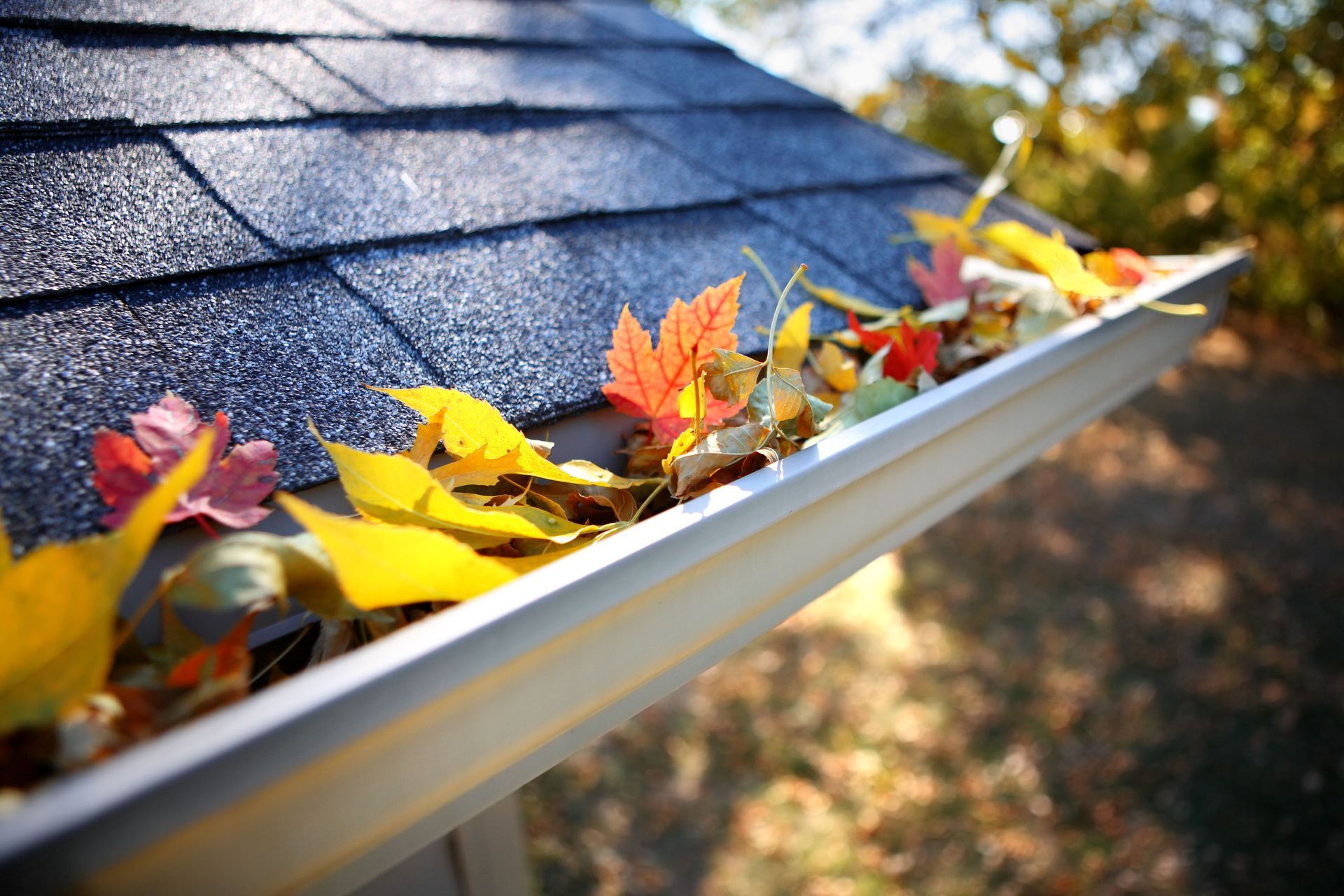
Once repairs are complete, schedule annual roof inspections with your residential roofer. Routine maintenance identifies small problems early and keeps warranties valid. Regular gutter cleaning, flashing checks, and inspections help preserve the roof’s durability, ensuring long-term performance and protection against future storms.
Improving Storm Preparedness
Use insights from your last repair to prepare for future weather. Ask your residential roofer about impact-resistant shingles, better underlayment, or improved insulation. Trim nearby trees and maintain gutters to prevent storm-related damage. Proactive upgrades make your roof stronger and reduce recovery time after severe weather events.
Hiring the right residential roofer after a storm safeguards your home’s structure and value. By researching contractors, comparing estimates, and acting quickly, you protect your investment and prevent long-term deterioration. A qualified residential roofer delivers craftsmanship, clear communication, and peace of mind—ensuring your home remains durable and secure for years to come. Looking for a residential roofer? Reach out to Diamond Ridge Construction today to learn more.