November 16, 2026
Architectural shingles have become a popular roofing choice because of their durability, attractive appearance, and long-term value. Unlike traditional three-tab shingles, these materials feature a thicker, layered construction that creates added depth and texture. They can also replicate the appearance of more expensive roofing materials while providing dependable protection against various weather conditions. Homeowners considering an upgrade can benefit from discussing their options with experienced local roofing professionals.
Improved Durability and Longevity
One of the biggest advantages of architectural shingles is their ability to withstand years of exposure to the elements. The laminated construction typically includes multiple layers of fiberglass and asphalt, creating a thicker and heavier product than traditional three-tab shingles. This added strength helps reduce damage from everyday weather conditions and normal wear.
Architectural shingles also provide resistance to wind, rain, and impact damage. Many products are designed to withstand higher wind speeds, making them a practical option for properties that experience severe storms. Their heavier construction helps keep the roofing system secure while reducing premature deterioration.
Another benefit is their extended lifespan. While traditional three-tab shingles generally last between 15 and 20 years, architectural shingles can last approximately 25 to 50 years, depending on the product, climate, and installation quality. Homeowners can benefit from fewer replacements and potentially lower long-term expenses.
Enhanced Appearance and Design Options
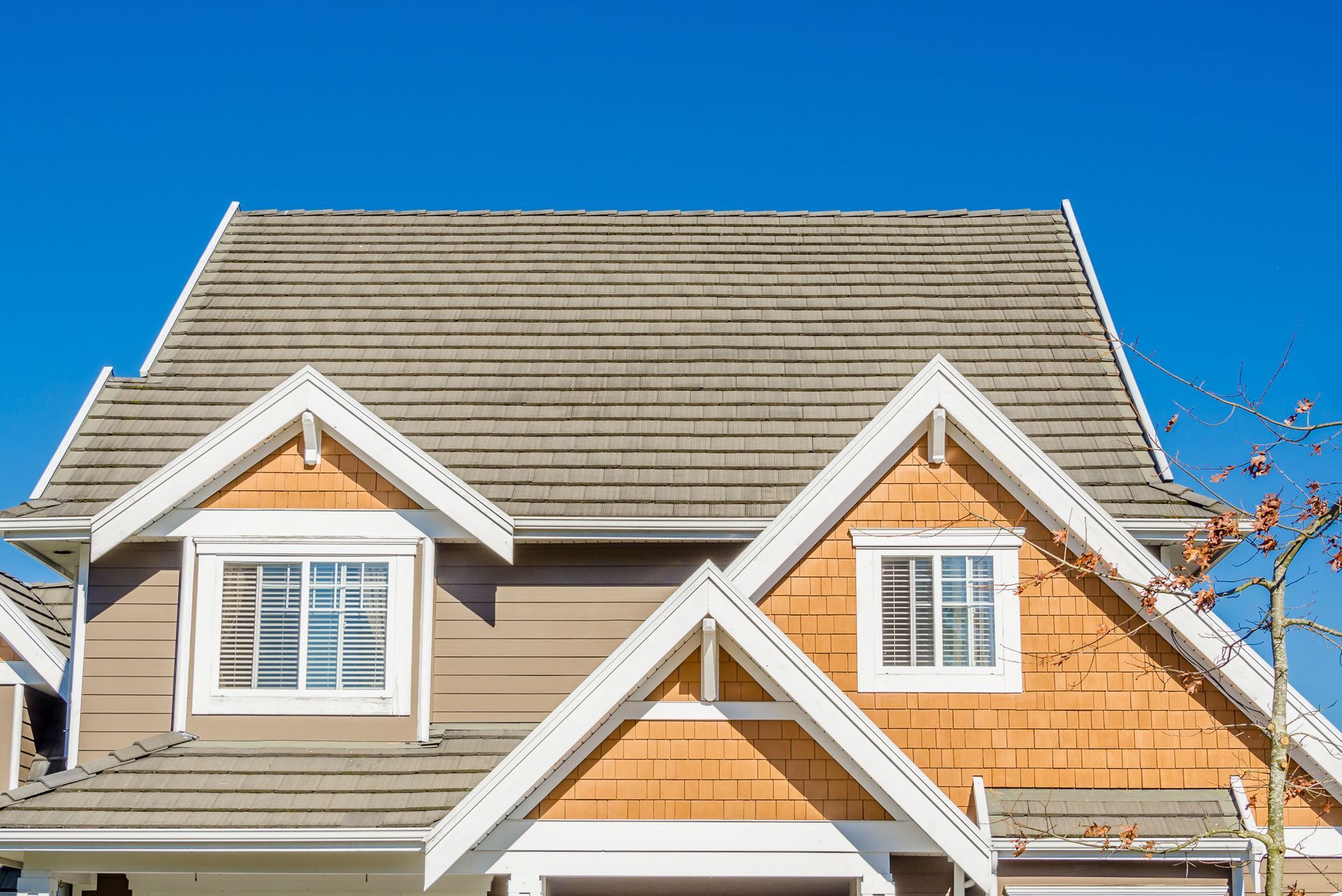
Architectural shingles offer considerable flexibility when improving a home's exterior appearance. They are available in numerous colors, textures, and designs, allowing homeowners to select materials that complement their property's architectural style. Whether a home has a traditional, contemporary, or rustic appearance, there are options that create a cohesive exterior.
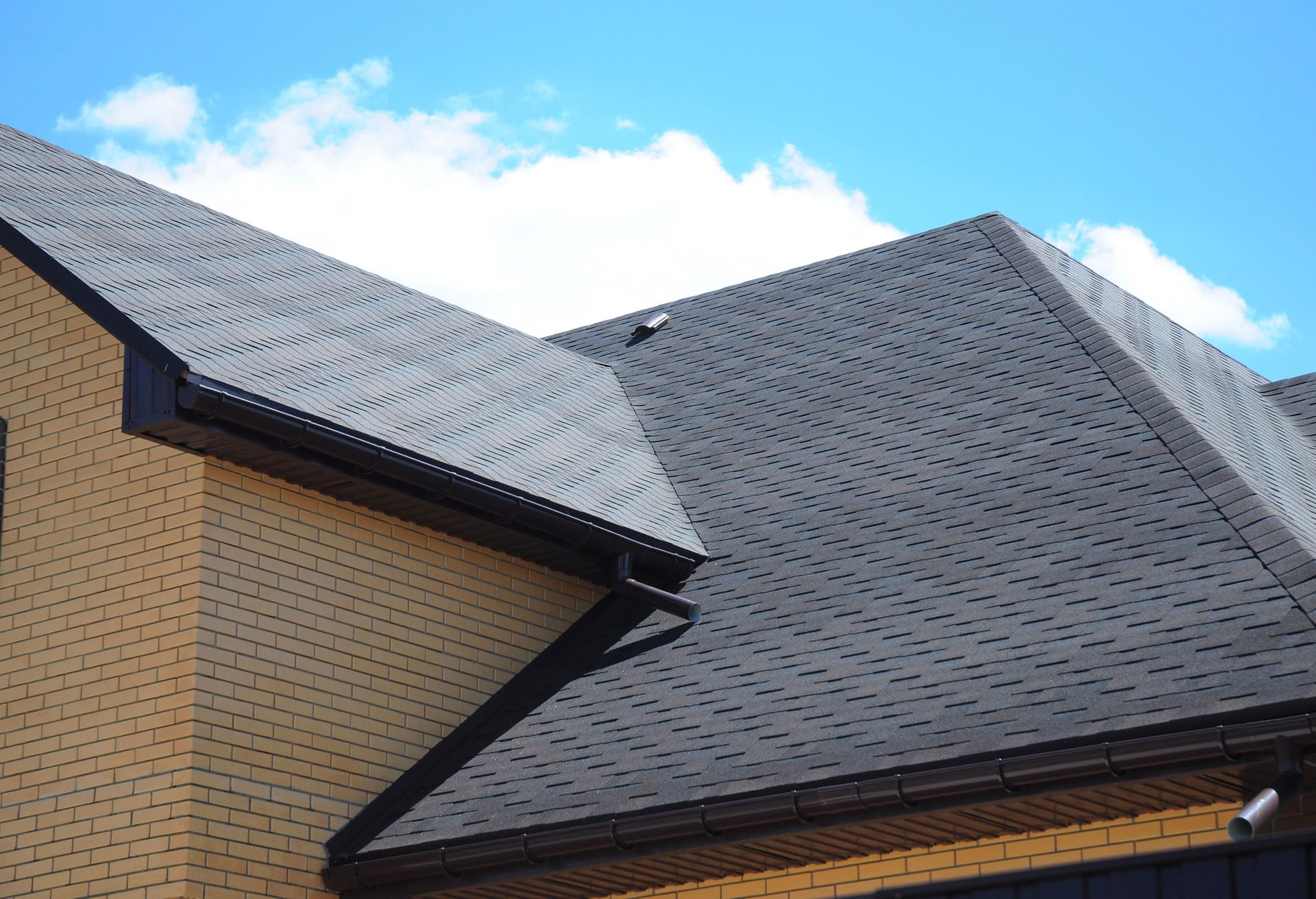
Their dimensional construction is another distinguishing feature. Unlike the relatively flat appearance of three-tab shingles, architectural shingles have varying shapes and thicknesses that create additional depth across the roof. Some designs imitate natural slate or wood shake, providing an upscale appearance without the expense associated with those materials.
Color selection also plays an important role in the finished appearance of a roofing system. Homeowners can choose darker shades for a bold look or lighter colors that complement existing siding and trim. A well-coordinated roof can improve curb appeal and contribute to the property's overall value. According to Home Guide, the average roof in the U.S. is 17 squares, or 1,700 square feet. Because roofing covers such a substantial portion of a home's exterior, selecting attractive, high-quality materials can make a noticeable difference.
Greater Cost Savings and Value
Although architectural shingles generally cost more upfront than traditional three-tab shingles, their extended lifespan can make them a worthwhile investment. Their durable construction may reduce the frequency of repairs and replacements, helping homeowners manage expenses over time. Property owners should consider expected performance and overall value rather than focusing exclusively on the initial price.
Reduced maintenance needs can also contribute to long-term savings. Architectural shingles are designed to provide dependable protection, and their thicker construction helps them withstand common sources of wear. Regular professional inspections remain important for identifying potential problems before they become more expensive.
Energy efficiency is another consideration. Certain architectural shingles are manufactured with reflective properties that help reduce heat absorption. Depending on the product and the home's ventilation and insulation, these materials may contribute to more comfortable indoor temperatures and lower cooling demands.
Homeowners may also want to investigate whether their insurance provider offers discounts for impact-resistant roofing materials. Some insurers provide incentives for qualifying products, although availability depends on the policy and location. Experienced local roofing contractors can help homeowners compare materials and understand potential savings.
Reduced Environmental Impact
Architectural shingles can offer environmental benefits, particularly when manufacturers incorporate recycled materials into their products. Using recycled content can reduce demand for new raw materials and support more responsible manufacturing practices. Homeowners interested in sustainable building materials may want to ask about the recycled content of available shingles.
Energy efficiency can provide another environmental advantage. Reflective roofing products may reduce the amount of heat absorbed by a home, potentially decreasing air conditioning demands during warmer months. Lower energy consumption can help reduce the environmental impact associated with household heating and cooling.
Recycling opportunities are also available for certain asphalt shingles after their useful lifespan ends. Recycled roofing materials can be used in applications such as asphalt pavement, helping divert construction waste from landfills. Availability depends on local recycling facilities and the condition of the removed materials.
Reliable Professional Installation
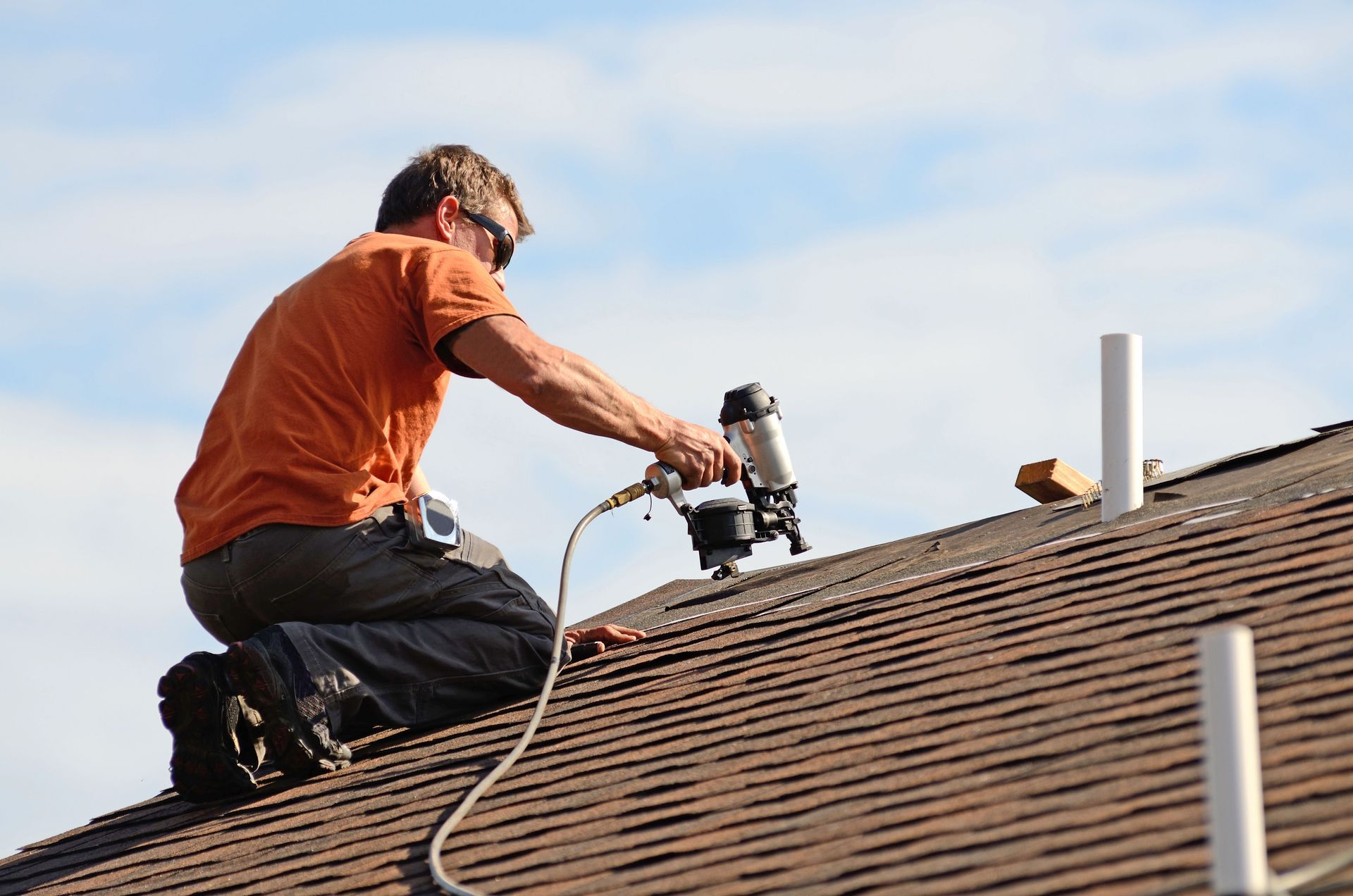
Even high-quality architectural shingles require proper installation to deliver their expected performance. Professional installation ensures that materials are positioned correctly, secured according to manufacturer specifications, and integrated with the rest of the roofing system. These details help prevent premature deterioration and reduce the risk of leaks.
Experienced local roofing professionals understand the requirements associated with different shingle products, including fastening patterns, underlayment, flashing, and ventilation. Attention to these components helps create a complete roofing system rather than relying on the shingles alone for protection. Proper installation can also help homeowners maintain eligibility for applicable manufacturer warranties.
Project planning is another important part of professional roofing work. Contractors evaluate roof dimensions, existing materials, structural conditions, and other relevant factors before determining the project's scope. Their experience helps ensure that material requirements and installation expectations are established before work begins.
Homeowners researching local roofing services should compare contractor experience, licensing, insurance, and customer reviews. Requesting written estimates that explain materials, labor, project timelines, and warranty information can make it easier to evaluate available services.
Dependable Performance in Different Climates
Architectural shingles are designed to provide protection across a variety of climates. Their layered construction helps them withstand exposure to rain, wind, sunlight, and changing temperatures. However, performance can vary depending on the specific product and whether it is appropriate for local weather conditions.
In colder climates, roofing materials must withstand freezing temperatures, snow, and repeated temperature changes. Architectural shingles are manufactured to handle these conditions, although proper installation and ventilation remain important. Contractors can recommend products designed for the environmental demands of the region.
Extreme heat presents different challenges. Prolonged exposure to sunlight and high temperatures can contribute to roofing deterioration over time. Certain architectural shingles feature reflective granules or specialized coatings that help reduce heat absorption, potentially supporting better energy performance.
Wind resistance is another important advantage. Many architectural shingles carry wind-resistance ratings that exceed those of traditional three-tab products. Their heavier construction and secure fastening systems can help reduce the likelihood of shingles lifting or becoming displaced during storms.
Moisture resistance also contributes to overall performance. When installed as part of a properly designed roofing system, architectural shingles help direct rainwater away from the structure and protect underlying roof components. Proper flashing, underlayment, and ventilation are equally important for limiting moisture-related problems.
In humid environments, homeowners may also want to consider shingles designed to resist algae growth. Some products include protective features that help minimize dark streaks and maintain a cleaner appearance. Local roofing professionals can explain which materials are best suited to the property's environmental conditions.
Professional Guidance for Material Selection
Product ratings are particularly useful when comparing different options. Wind-resistance classifications, impact ratings, and manufacturer warranty details provide information about how individual shingles are expected to perform. Not every architectural shingle offers the same level of protection, so reviewing product specifications is important.
Homeowners should also consider how roofing materials coordinate with other exterior features. Siding, gutters, trim, and surrounding architectural details can influence which shingle colors and textures look best. A coordinated selection can improve the property's appearance while supporting its overall exterior design.
Working with qualified local roofing contractors can make the selection process easier. Professionals can evaluate the existing roof, explain available materials, and recommend options based on the property's specific requirements. They can also identify potential concerns that may need attention before new shingles are installed.
Architectural shingles provide homeowners with several advantages, including improved durability, attractive design options, and long-term value. Their layered construction offers dependable protection against common weather conditions, while their variety of styles makes it easier to complement different home designs. With proper product selection and professional installation, they can provide a reliable roofing solution for many years.
Choosing an experienced local roofing contractor is an important part of protecting a roofing investment. Diamond Ridge Construction can help homeowners explore their options and determine which materials best suit their properties. Contact Diamond Ridge Construction today to discuss your roofing needs, learn more about available solutions, and schedule a professional evaluation.